-
Shop
- Adidas
- Advanced Technologies
- Apple Accessories
- Armani
- Arts, Crafts & Hobbies
- Astrology & Tarot Products
- Bathroom
- Best-Sellers
- Black Friday Sale
- Calvin Klein
- Car Accessories
- Christmas Collection
- Dating & Social Skills
- Denim
- 7FOR
- AGOLDE
- Antony Morato
- Armani Exchange
- Boss
- Brunello Cucinelli
- Calvin Klein Jeans
- Costume National
- Desigual
- Diesel
- Dolce & Gabbana
- Dsquared²
- Ermanno Scervino
- Fendi
- Gianni Lupo
- Guess Jeans
- Ichi
- Just Cavalli
- Lee
- Levi's
- Liu Jo
- Morgan De Toi
- Mother Denim
- Only
- Pepe Jeans
- Pinko
- Replay
- Tommy Hilfiger Jeans
- Valentino
- Vero Moda
- Digital Resources
- Easter Products
- Education & Learning
- Fall 2025 Fashion Best-Sellers
- Family & Parenting
- Fashion
- Accessories
- Alexander McQueen
- Bags
- Bags & Wallets
- Balenciaga
- Belts
- Blazers
- Blouses & Shirts
- Bottega Veneta
- Bottoms
- Brunello Cucinelli
- Burberry
- Chanel
- Chloé
- Dior
- Dolce & Gabbana
- Dresses
- Etro
- Fendi
- Gucci
- Hats & Hair Accessories
- Hoodies & Sweatshirts
- Jacquemus
- Jewelry
- Jil Sander
- Jimmy Choo
- Kiton
- Laptop Sleeves
- Luggage
- Luggage Bags
- Men's Fashion
- Miu Miu
- Off-White
- Outerwear
- Passport Covers
- Phone Cases
- Prada
- Rick Owens
- Saint Laurent
- Scarves
- Shoes
- Skirts
- Socks
- Socks & Tights
- Sunglasses
- Sweaters & Cardigans
- The Row
- Tom Ford
- Tops & Shirts
- Trousers
- Tumblers
- Valentino
- Valentino Garavani
- Versace
- Vivienne Westwood
- Watches
- Fashion Accessories
- Father's Day
- Fitness & Yoga Guides
- Furniture
- Gadgets
- Gift Guide Collection
- Health & Beauty
- Health & Wellness
- Home & Garden
- Home Electronics
- Home Supplies
- Independence Day
- Kids & Babies
- Kitchen
- Kitchen Best-Sellers
- Lighting
- Luxury Brands Collection
- Mother’s Day
- Nike
- Patio, Lawn & Garden
- Personal Growth
- Pet Care
- Pets
- Pinterest Best-Sellers
- Samsung Accessories
- Sport & Outdoors
- Summer 2025 Fashion Collection
- Super Deals
- TikTok Growth & Monetization Mastery
- Tommy Hilfiger
- Travel
- Travel & Outdoors
- Wealth
- Wealth Building
- Budgeting & Saving
- Cryptocurrency Investing
- Debt Management
- Entrepreneurship & Business Growth
- Family Finance & Budgeting
- Financial Independence
- Financial Mindset & Psychology
- Financial Planning
- Frugal Living & Expense Hacks
- Goal Setting
- High-Income Skills
- Investing Basics
- Leadership
- Motivation
- Networking & Mentorship
- Passive Income Strategies
- Real Estate Investing
- Side Hustles
- Stock Market Investing
- YouTube Shorts Best-Sellers
- Popular
- Best deals
Rechargeable Fabric Shaver: Remove Pills & Lint Fast
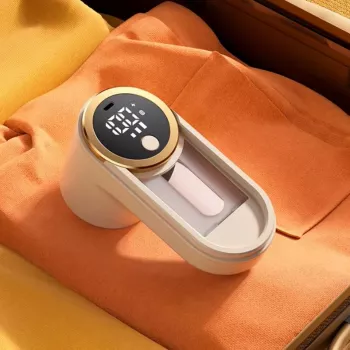
Rechargeable Fabric Shaver Lint Remover – Sweater Defuzzer and Pilling Trimmer
Pilling and fuzz can make favorite sweaters, coats, and home fabrics look tired long before they’re actually worn out. Our Rechargeable Fabric Shaver Lint Remover – Sweater Defuzzer and Pilling Trimmer gives you a simple, reusable way to lift fuzz and trim pills so knits and textiles look smoother again—without relying on disposable sheets or tedious hand-picking. It’s the kind of quick upkeep you can do before work, before packing, or whenever a piece starts looking “rough” from everyday wear.
What pilling is (and why it keeps coming back)
Pills form when loose fibers work their way to the surface and tangle together from friction. You’ll usually see them first on elbows, underarms, the sides of sweaters, and anywhere a bag strap or seatbelt rubs regularly.
Blends and knits often pill faster because shorter fibers can migrate outward over time. Washing and drying add abrasion too—even when you’re careful—so even well-made items can develop fuzz. The goal with a fabric shaver isn’t to change the fabric; it’s simply to remove what’s already sitting on top so the surface looks clean and even again.
What this rechargeable fabric shaver helps with
When you want your wardrobe (and your soft goods at home) to look more polished with minimal effort, a fabric shaver is built for the job. Used correctly, it:
- Trims pills and surface fuzz to refresh sweaters, knit tops, scarves, and coats.
- Helps de-fuzz areas that trap lint easily, so dark knits and textured fabrics look neater.
- Stays ready for quick touch-ups thanks to a rechargeable design—no constant battery runs.
- Fits into routine garment care: use it after laundering or whenever you notice pilling starting.
If you’re building a small garment-care setup, pairing your shaver with a reliable charging option can make it easier to keep it topped up. Our team often recommends a fast wall charger like the 65W GaN USB C Fast Wall Charger with Quick Charge for busy weeks, and a travel-friendly cable such as the 66W 5A Fast Charging Spring Retractable USB Type C Cable – For Car & On-the-Go for on-the-go charging.
Where it shines (and where to be careful)
You’ll get the best results on sturdy textiles that commonly develop surface fuzz:
- Great for: sweaters and knits, wool blends, acrylic, cotton knits, sweatshirts, couch throws, and similar fabrics.
- Use extra care on: very delicate fabrics or loosely knit pieces where threads can snag—test a small hidden area first.
- Avoid (unless testing proves safe): fabrics with long loops or raised constructions (some boucle-style knits), and anything already torn or threadbare.
For a cleaner finish, work on a flat surface so the fabric stays stable while you shave. A taut, smooth surface is your friend; it helps the tool glide over pills instead of catching on texture.
How to use a sweater defuzzer for a clean, even finish
Consistent technique matters more than speed. Here’s a dependable approach you can repeat on everything from sweaters to throws:
- Lay it flat: Place the garment on a firm surface and smooth the area with one hand.
- Start light: Use light pressure and short passes—let the tool do the work rather than pressing hard.
- Focus on friction zones: Move slowly over elbows, sides, and underarms where pilling is densest.
- Check often: Pause to look at progress; stop once the surface looks even to avoid overworking one spot.
- Empty lint as needed: Clearing collected fuzz keeps performance steady and prevents drag.
If you’re new to fabric shaving, treat the first session like a “practice run” on a less noticeable panel. Once you get a feel for the right pressure, the process becomes fast and predictable.
Maintenance habits that keep results consistent
For broader garment-care basics, the Federal Trade Commission’s care labeling guidance is a helpful reference for understanding care tags and material handling.
Fabric shaver vs. lint roller vs. scissors
Quick guide to choosing the right tool for the job
| Tool | Best for | Not ideal for |
|---|---|---|
| Rechargeable fabric shaver | Pills and surface fuzz on sweaters, knits, throws | Very delicate, loose, or snag-prone weaves without testing first |
| Lint roller | Pet hair, dust, loose lint on smooth fabrics | Pilling that’s attached to fibers |
| Small scissors | A few isolated pills when nothing else is available | Large areas; achieving an even finish |
For wool-specific tips, Woolmark’s care guidance also covers practical ways to address pilling while keeping garments in good shape.
Common issues and quick fixes
FAQ
Can a fabric shaver remove pilling without damaging sweaters?
Yes, when you use it on a flat surface with light pressure and short passes. Test a small hidden area first on delicate knits, and stop immediately if you notice snagging, thinning, or stress on the fabric.
What fabrics should not be defuzzed with a pilling remover?
Avoid very delicate or loose knits, snag-prone weaves, long-loop or highly raised textures, and areas that are already torn or threadbare. When you’re unsure, spot test gently on an inside seam area and choose a different care method if the fabric catches.
Is a fabric shaver better than a lint roller for sweaters?
They do different jobs: a lint roller removes loose lint and pet hair, while a fabric shaver trims pills and fuzz that are attached to the fibers. For the most “finished” look, keep both on hand and use each where it performs best.









Leave a comment