-
Shop
- Adidas
- Advanced Technologies
- Apple Accessories
- Armani
- Arts, Crafts & Hobbies
- Astrology & Tarot Products
- Bathroom
- Best-Sellers
- Black Friday Sale
- Calvin Klein
- Car Accessories
- Christmas Collection
- Dating & Social Skills
- Denim
- 7FOR
- AGOLDE
- Antony Morato
- Armani Exchange
- Boss
- Brunello Cucinelli
- Calvin Klein Jeans
- Costume National
- Desigual
- Diesel
- Dolce & Gabbana
- Dsquared²
- Ermanno Scervino
- Fendi
- Gianni Lupo
- Guess Jeans
- Ichi
- Just Cavalli
- Lee
- Levi's
- Liu Jo
- Morgan De Toi
- Mother Denim
- Only
- Pepe Jeans
- Pinko
- Replay
- Tommy Hilfiger Jeans
- Valentino
- Vero Moda
- Digital Resources
- Easter Products
- Education & Learning
- Fall 2025 Fashion Best-Sellers
- Family & Parenting
- Fashion
- Accessories
- Alexander McQueen
- Bags
- Bags & Wallets
- Balenciaga
- Belts
- Blazers
- Blouses & Shirts
- Bottega Veneta
- Bottoms
- Brunello Cucinelli
- Burberry
- Chanel
- Chloé
- Dior
- Dolce & Gabbana
- Dresses
- Etro
- Fendi
- Gucci
- Hats & Hair Accessories
- Hoodies & Sweatshirts
- Jacquemus
- Jewelry
- Jil Sander
- Jimmy Choo
- Kiton
- Laptop Sleeves
- Luggage
- Luggage Bags
- Men's Fashion
- Miu Miu
- Off-White
- Outerwear
- Passport Covers
- Phone Cases
- Prada
- Rick Owens
- Saint Laurent
- Scarves
- Shoes
- Skirts
- Socks
- Socks & Tights
- Sunglasses
- Sweaters & Cardigans
- The Row
- Tom Ford
- Tops & Shirts
- Trousers
- Tumblers
- Valentino
- Valentino Garavani
- Versace
- Vivienne Westwood
- Watches
- Fashion Accessories
- Father's Day
- Fitness & Yoga Guides
- Furniture
- Gadgets
- Gift Guide Collection
- Health & Beauty
- Health & Wellness
- Home & Garden
- Home Electronics
- Home Supplies
- Independence Day
- Kids & Babies
- Kitchen
- Kitchen Best-Sellers
- Lighting
- Luxury Brands Collection
- Mother’s Day
- Nike
- Patio, Lawn & Garden
- Personal Growth
- Pet Care
- Pets
- Pinterest Best-Sellers
- Samsung Accessories
- Sport & Outdoors
- Summer 2025 Fashion Collection
- Super Deals
- TikTok Growth & Monetization Mastery
- Tommy Hilfiger
- Travel
- Travel & Outdoors
- Wealth
- Wealth Building
- Budgeting & Saving
- Cryptocurrency Investing
- Debt Management
- Entrepreneurship & Business Growth
- Family Finance & Budgeting
- Financial Independence
- Financial Mindset & Psychology
- Financial Planning
- Frugal Living & Expense Hacks
- Goal Setting
- High-Income Skills
- Investing Basics
- Leadership
- Motivation
- Networking & Mentorship
- Passive Income Strategies
- Real Estate Investing
- Side Hustles
- Stock Market Investing
- YouTube Shorts Best-Sellers
- Popular
- Best deals
Ultralight Cotton Sleeping Bag for Camping and Hiking
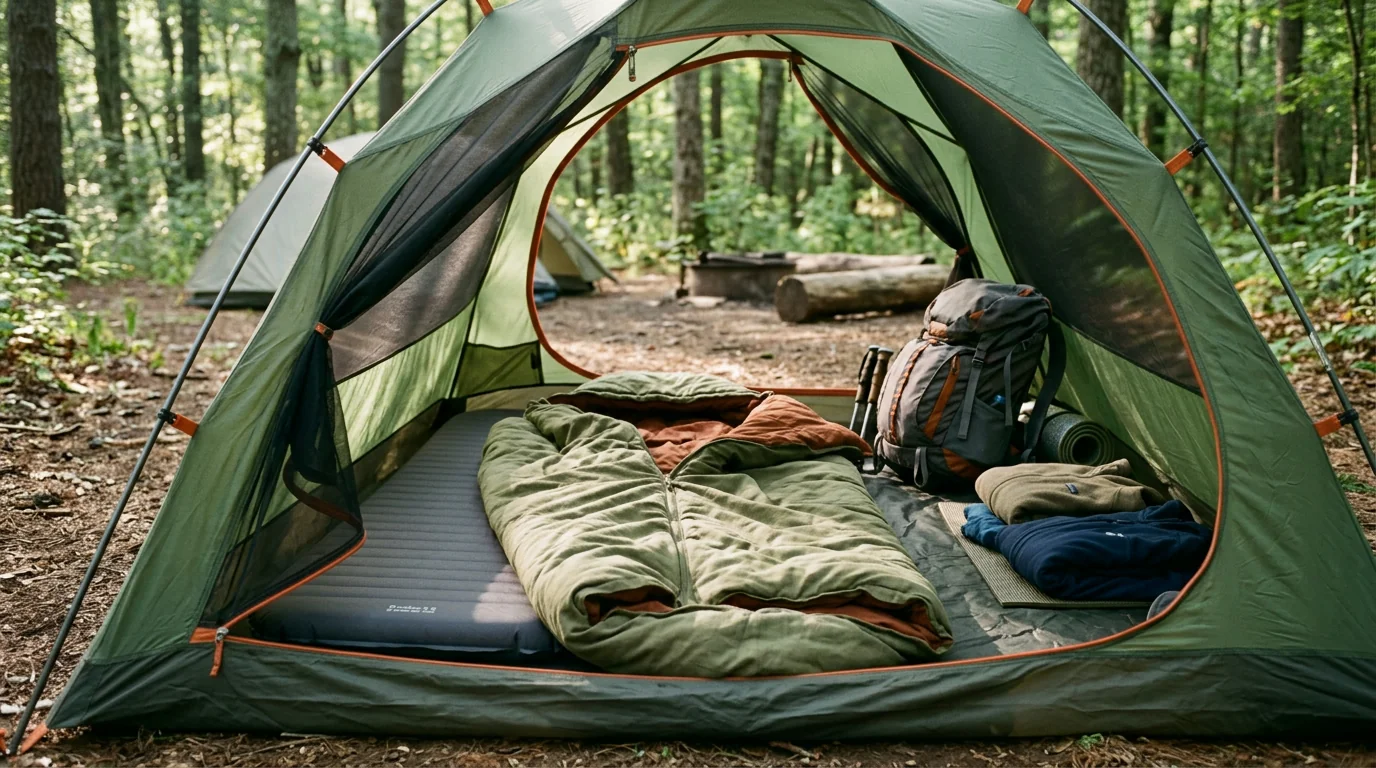
A comfortable night outdoors starts with a sleep setup matched to your trip—not just the amount of room left in your pack. Whether you’re hiking to a campsite or camping near your vehicle, consider the route, the forecast, and how you prefer to sleep before deciding what to bring. For more guidance, see Troop 772 Tucson.
Our Ultralight Eco-Friendly Cotton Sleeping Bag for Camping & Hiking is an option to explore as you plan. Pair your choice of bag with appropriate ground insulation, shelter, and dry clothing to build a setup for the conditions you expect. For further reading, see The sleeping bag liner: an important ally for your outdoor adventures.
Meet the Sleeping Bag
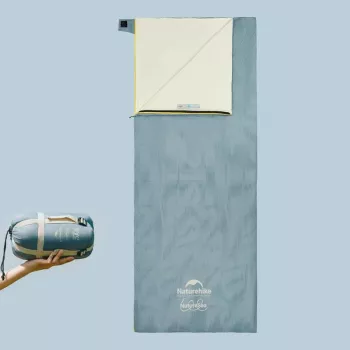
Our Ultralight Eco-Friendly Cotton Sleeping Bag for Camping & Hiking is intended for camping and hiking trips. It’s listed at $111.17; visit the product page for current availability.
Choosing a sleeping bag involves more than picking one based on its name. Think about how far you’ll carry your gear, the space available in your pack, and the coldest conditions you may encounter. A temperature rating is not provided for this bag, so make sure your overall sleep system is appropriate for the forecast rather than assuming the bag will cover a particular range.
For another option to consider, explore our Ultimate Winter Camping Quilt. A quilt and a sleeping bag are different styles of sleep gear, so consider how each would work with your sleeping pad, shelter, and expected conditions before choosing.
Match Your Sleep Setup to the Trip
Start with the lowest overnight temperature expected at your campsite, not just the daytime forecast. Weather can change, especially at elevation or in exposed areas, so leave room in your planning for colder or wetter conditions than you hope to encounter. Select a sleep system suited to the lowest temperature you expect and adjust your plans if the forecast changes.
Trip duration matters, too. On a longer hike, you’ll need space for food, water, clothing, and other essentials alongside your sleep gear. For a shorter trip or a drive-in campsite, you may have more flexibility to bring extra comfort items. Either way, pack your gear together before departure so you know what fits.
Sleep Setup Planning Checklist
| Consideration | What to plan for |
|---|---|
| Overnight weather | Check the forecast and prepare for changing conditions. |
| Pack space | Allow room for the sleeping bag alongside other essentials. |
| Ground insulation | Choose a sleeping pad suited to the expected conditions. |
| Comfort | Consider clothing and shelter as part of the overall sleep system. |
Use this checklist to organize your packing rather than to compare the performance of individual products. For more guidance on bag selection, see REI’s sleeping bag guide.
Build Comfort Beyond the Bag
Your sleeping bag is only one part of your overnight setup. A sleeping pad adds cushioning and helps insulate you from the ground. Choose one suited to the conditions and check that it fits inside your shelter. If you’re carrying it on a hike, consider its packed size along with the space it takes up when in use.
Pad insulation is especially important when the ground is cold. REI’s guide to sleeping pads explains how to consider insulation and other features when choosing one.
Keep a set of sleep clothing dry and separate from anything damp from the day’s travel. When selecting a campsite, follow local rules and choose a sheltered spot where appropriate, while avoiding hazards such as dead branches overhead or areas prone to flooding. Your shelter, clothing, pad, and bag work together, so plan them as a system rather than relying on one item alone.
Pack and Care for Your Sleep Gear
Moisture protection begins before you reach camp. Keep your sleep gear in a waterproof pack liner or another suitable protective layer, particularly when rain is possible. Store it away from wet clothing and gear when practical, and avoid leaving it exposed while you set up shelter.
After your trip, air out your sleeping bag before putting it away. Follow the product’s care instructions for washing and storage, rather than assuming that every bag can be cleaned the same way. Taking a little time to dry and care for your gear makes it easier to prepare for the next outing.
Ready to plan your next night outdoors? Explore our Ultralight Eco-Friendly Cotton Sleeping Bag for Camping & Hiking and consider how it fits alongside the rest of your sleep setup.
Before choosing, compare the product details with your daily routine, available space, care needs, and preferred setup. The strongest option is usually the one that fits the intended use clearly and remains simple to clean, store, and check before repeat use.
FAQ
Is this sleeping bag suitable for winter camping?
A temperature rating is not provided for this sleeping bag. Choose gear rated for the expected overnight conditions and check product details before a winter trip.
Do I need a sleeping pad with a sleeping bag?
A suitable sleeping pad adds cushioning and insulation from the ground, making it an important part of a camping sleep system.
How should I care for my sleeping bag after a trip?
Air it out after use and follow the product’s care instructions for cleaning and storage.








Leave a comment