-
Shop
- Adidas
- Advanced Technologies
- Apple Accessories
- Armani
- Arts, Crafts & Hobbies
- Astrology & Tarot Products
- Bathroom
- Best-Sellers
- Black Friday Sale
- Calvin Klein
- Car Accessories
- Christmas Collection
- Dating & Social Skills
- Denim
- 7FOR
- AGOLDE
- Antony Morato
- Armani Exchange
- Boss
- Brunello Cucinelli
- Calvin Klein Jeans
- Costume National
- Desigual
- Diesel
- Dolce & Gabbana
- Dsquared²
- Ermanno Scervino
- Fendi
- Gianni Lupo
- Guess Jeans
- Ichi
- Just Cavalli
- Lee
- Levi's
- Liu Jo
- Morgan De Toi
- Mother Denim
- Only
- Pepe Jeans
- Pinko
- Replay
- Tommy Hilfiger Jeans
- Valentino
- Vero Moda
- Digital Resources
- Easter Products
- Education & Learning
- Fall 2025 Fashion Best-Sellers
- Family & Parenting
- Fashion
- Accessories
- Alexander McQueen
- Bags
- Bags & Wallets
- Balenciaga
- Belts
- Blazers
- Blouses & Shirts
- Bottega Veneta
- Bottoms
- Brunello Cucinelli
- Burberry
- Chanel
- Chloé
- Dior
- Dolce & Gabbana
- Dresses
- Etro
- Fendi
- Gucci
- Hats & Hair Accessories
- Hoodies & Sweatshirts
- Jacquemus
- Jewelry
- Jil Sander
- Jimmy Choo
- Kiton
- Laptop Sleeves
- Luggage
- Luggage Bags
- Men's Fashion
- Miu Miu
- Off-White
- Outerwear
- Passport Covers
- Phone Cases
- Prada
- Rick Owens
- Saint Laurent
- Scarves
- Shoes
- Skirts
- Socks
- Socks & Tights
- Sunglasses
- Sweaters & Cardigans
- The Row
- Tom Ford
- Tops & Shirts
- Trousers
- Tumblers
- Valentino
- Valentino Garavani
- Versace
- Vivienne Westwood
- Watches
- Fashion Accessories
- Father's Day
- Fitness & Yoga Guides
- Furniture
- Gadgets
- Gift Guide Collection
- Health & Beauty
- Health & Wellness
- Home & Garden
- Home Electronics
- Home Supplies
- Independence Day
- Kids & Babies
- Kitchen
- Kitchen Best-Sellers
- Lighting
- Luxury Brands Collection
- Mother’s Day
- Nike
- Patio, Lawn & Garden
- Personal Growth
- Pet Care
- Pets
- Pinterest Best-Sellers
- Samsung Accessories
- Sport & Outdoors
- Summer 2025 Fashion Collection
- Super Deals
- TikTok Growth & Monetization Mastery
- Tommy Hilfiger
- Travel
- Travel & Outdoors
- Wealth
- Wealth Building
- Budgeting & Saving
- Cryptocurrency Investing
- Debt Management
- Entrepreneurship & Business Growth
- Family Finance & Budgeting
- Financial Independence
- Financial Mindset & Psychology
- Financial Planning
- Frugal Living & Expense Hacks
- Goal Setting
- High-Income Skills
- Investing Basics
- Leadership
- Motivation
- Networking & Mentorship
- Passive Income Strategies
- Real Estate Investing
- Side Hustles
- Stock Market Investing
- YouTube Shorts Best-Sellers
- Popular
- Best deals
Soothing Elephant Plush: Breathing, Music & Light Modes
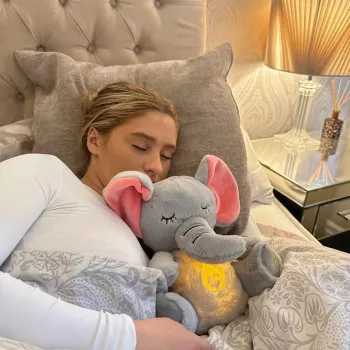
4-Mode Soothing Elephant Plush Toy: Breathing, Music & Light for Calmer Bedtimes
Bedtime goes more smoothly when your child has one steady, comforting cue to focus on. Our 4-Mode Soothing Elephant Plush Toy – Breathing, Music & Light Sleep Companion is designed to be that cue: a soft plush companion that pairs gentle “breathing” motion with soothing sound and a calming light—so little ones can settle, self-soothe, and drift off with less fuss.
What this soothing elephant is made to do at bedtime
When kids are tired but wired, they often need one simple anchor—something predictable that signals, “We’re safe, and we’re winding down.” Our team designed this elephant to support that rhythm in a few practical ways:
- Create a consistent wind-down signal: same friend, same calming routine, night after night.
- Encourage slower breathing by giving kids something rhythmic to follow when they’re restless.
- Layer comfort options—plush + sound + light—so you can match the room, the mood, and the moment.
- Support independence: a familiar sleep companion can help kids feel secure when they’re falling asleep on their own.
- Work as a calming tool beyond bedtime—quiet time, story time, travel, and nap routines.
Calming features at a glance
| Feature | How it helps | When to use it |
|---|---|---|
| Breathing-style rhythm | Gives a steady, gentle pace for kids to follow when they’re keyed up | Bedtime wind-down, post-nightmare reassurance |
| Soothing music/sounds | Fills the room with a soft audio focus that can mask small household noises | Naps, early bedtimes, new sleep environment |
| Soft light | Adds comfort in darker rooms without needing a bright overhead lamp | Middle-of-the-night check-ins, bedtime stories |
| 4-mode flexibility | Lets you choose a single comfort cue or a layered combo depending on sensitivity | Sensory-friendly routines, travel, quiet time |
How to use it in a simple nightly routine
Kids thrive on “same steps, same order.” If you want the elephant to become a true sleep cue (not a last-second distraction), keep the routine calm and repeatable:
- Start 20–30 minutes before sleep: dim the room, lower noise, and bring the elephant into the routine early.
- Pair one calm activity: choose one short book, a cuddle, or a quiet song—then turn on the mode that fits the moment (light, music, breathing rhythm, or a combination).
- Keep it predictable: the same order each night helps your child’s brain “learn” what comes next.
- If your child gets overstimulated: begin with one feature (often the breathing rhythm) and add sound or light only if needed.
- Use it as a “return to calm” tool: if your child pops out of bed, guide them back and repeat one short cue like “hands on belly, slow breaths.”
Choosing the best mode for different sleep situations
- For “can’t settle” energy: start with the breathing-style rhythm to give their body a slower pace to follow.
- For noisy homes or light sleepers: try soothing music/sounds as a steady background layer that makes little disruptions less noticeable.
- For kids who worry in the dark: use the soft light as a comfort signal, then gradually taper it down as confidence grows.
- For new environments: travel, grandparents’ houses, or sleepover practice often go better with a familiar combo so the routine feels “the same” even when the room changes.
- For sensory-sensitive kids: simplest setting first—too many inputs at once can backfire.
Where this plush fits best: ages, stages, and everyday moments
- Babies and toddlers: keep the routine gentle and simple—comfort comes from consistency more than complexity.
- Preschoolers: the breathing rhythm can become a “game” that teaches slowing down (quiet belly breaths).
- Big kids: use it as a calming anchor during reading time, after a busy day, or when winding down from screens.
- Daytime calm: bring it into a quiet corner for sensory breaks or post-tantrum resets when your child needs help re-centering.
- Travel and transitions: a familiar plush can help your child relax when schedules and beds are different.
Care, placement, and safer sleep habits to keep in mind
For broader guidance on sleep routines and safer sleep, you can also review the American Academy of Pediatrics (AAP) safe sleep recommendations and the CDC’s children’s sleep basics.
A small gift that feels thoughtful (and actually gets used)
Helpful add-ons from our store for bedtime & travel
- 4-Mode Soothing Elephant Plush Toy – Breathing, Music & Light Sleep Companion
- 65W GaN USB C Fast Wall Charger with Quick Charge (handy for family travel and charging multiple devices efficiently)
- 66W 5A Fast Charging Spring Retractable USB Type C Cable – For Car & On-the-Go (keeps cords compact for trips and bedside clutter control)
FAQ
Does the elephant play music and light up at the same time?
Yes—this plush offers multiple modes, so you can use a single feature or choose a layered combination depending on the mode you select. That flexibility makes it easier to match what your child finds calming.
Is this soothing plush better for bedtime or naps?
It works well for both. For naps, keep the routine shorter and stick with the calmest setting for your child; at night, you can add a longer wind-down and adjust the mode as needed.
How can this help a child who resists bedtime?
It gives you a consistent routine cue to repeat every night, paired with one quiet activity like a short story or cuddle. The breathing-style rhythm can also help guide slower breathing and reduce the restless “can’t turn off” feeling.









Leave a comment