-
Shop
- Adidas
- Advanced Technologies
- Apple Accessories
- Armani
- Arts, Crafts & Hobbies
- Astrology & Tarot Products
- Bathroom
- Best-Sellers
- Black Friday Sale
- Calvin Klein
- Car Accessories
- Christmas Collection
- Dating & Social Skills
- Denim
- 7FOR
- AGOLDE
- Antony Morato
- Armani Exchange
- Boss
- Brunello Cucinelli
- Calvin Klein Jeans
- Costume National
- Desigual
- Diesel
- Dolce & Gabbana
- Dsquared²
- Ermanno Scervino
- Fendi
- Gianni Lupo
- Guess Jeans
- Ichi
- Just Cavalli
- Lee
- Levi's
- Liu Jo
- Morgan De Toi
- Mother Denim
- Only
- Pepe Jeans
- Pinko
- Replay
- Tommy Hilfiger Jeans
- Valentino
- Vero Moda
- Digital Resources
- Easter Products
- Education & Learning
- Fall 2025 Fashion Best-Sellers
- Family & Parenting
- Fashion
- Accessories
- Alexander McQueen
- Bags
- Bags & Wallets
- Balenciaga
- Belts
- Blazers
- Blouses & Shirts
- Bottega Veneta
- Bottoms
- Brunello Cucinelli
- Burberry
- Chanel
- Chloé
- Dior
- Dolce & Gabbana
- Dresses
- Etro
- Fendi
- Gucci
- Hats & Hair Accessories
- Hoodies & Sweatshirts
- Jacquemus
- Jewelry
- Jil Sander
- Jimmy Choo
- Kiton
- Laptop Sleeves
- Luggage
- Luggage Bags
- Men's Fashion
- Miu Miu
- Off-White
- Outerwear
- Passport Covers
- Phone Cases
- Prada
- Rick Owens
- Saint Laurent
- Scarves
- Shoes
- Skirts
- Socks
- Socks & Tights
- Sunglasses
- Sweaters & Cardigans
- The Row
- Tom Ford
- Tops & Shirts
- Trousers
- Tumblers
- Valentino
- Valentino Garavani
- Versace
- Vivienne Westwood
- Watches
- Fashion Accessories
- Father's Day
- Fitness & Yoga Guides
- Furniture
- Gadgets
- Gift Guide Collection
- Health & Beauty
- Health & Wellness
- Home & Garden
- Home Electronics
- Home Supplies
- Independence Day
- Kids & Babies
- Kitchen
- Kitchen Best-Sellers
- Lighting
- Luxury Brands Collection
- Mother’s Day
- Nike
- Patio, Lawn & Garden
- Personal Growth
- Pet Care
- Pets
- Pinterest Best-Sellers
- Samsung Accessories
- Sport & Outdoors
- Summer 2025 Fashion Collection
- Super Deals
- TikTok Growth & Monetization Mastery
- Tommy Hilfiger
- Travel
- Travel & Outdoors
- Wealth
- Wealth Building
- Budgeting & Saving
- Cryptocurrency Investing
- Debt Management
- Entrepreneurship & Business Growth
- Family Finance & Budgeting
- Financial Independence
- Financial Mindset & Psychology
- Financial Planning
- Frugal Living & Expense Hacks
- Goal Setting
- High-Income Skills
- Investing Basics
- Leadership
- Motivation
- Networking & Mentorship
- Passive Income Strategies
- Real Estate Investing
- Side Hustles
- Stock Market Investing
- YouTube Shorts Best-Sellers
- Popular
- Best deals
Money Mastery: A Beginner’s Guide to Stress-Free Budgeting

A budget does not have to be perfect to be useful. It is simply a way to give your dollars a purpose, see what is available, and make adjustments as life changes. You can start with the numbers you have today and improve your plan as you learn.
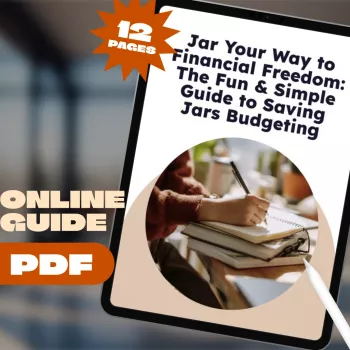
Our Money Mastery digital budgeting guide offers a beginner-friendly place to start for $4.99. Whether you use a guide, a spreadsheet, or a notebook, the goal is the same: make your money decisions a little clearer and less stressful.
Start With a Clear Picture of Your Money
Begin by listing your monthly take-home income: the money that reaches you after taxes and other paycheck deductions. Include reliable income from all sources. If your pay varies, look at several recent months and choose a conservative estimate rather than counting on your highest month.
Next, review recent bank statements, bills, and receipts. Write down what you spend in a typical month, including automatic payments that are easy to overlook. Group expenses into two broad categories:
- Fixed bills: Costs that usually stay about the same, such as rent, insurance, and a regular loan payment.
- Flexible spending: Costs that can change, such as groceries, transportation, entertainment, and personal purchases.
Do not forget expenses that arrive less often, like annual fees, car registration, gifts, or seasonal costs. Estimate each yearly total and divide it by 12 to find a monthly amount to set aside. For example, a $240 annual bill calls for about $20 per month.
Use realistic figures, not the amounts you wish you had spent. There is no need to judge past choices; those numbers are information you can use to make a workable plan. For another starting point, Consumer.gov’s budgeting guide explains how to list income and expenses.
Build a Budget You Can Adjust
Once you know what comes in and what usually goes out, assign your income to categories. Start with essentials and required debt payments, then consider savings, irregular expenses, and flexible spending. If the total is more than your income, look for changes you can make before the month begins.
The table below is an illustration using $2,000 in monthly take-home income, not a formula you need to follow. Your housing costs, debt obligations, and priorities may call for a very different breakdown.
| Category | Example amount | Purpose |
|---|---|---|
| Essentials | $1,100 | Housing, utilities, groceries and transport |
| Debt payments | $200 | Required payments toward existing debt |
| Savings | $200 | Emergency or other savings goals |
| Flexible spending | $300 | Personal purchases and leisure |
| Irregular expenses | $200 | Costs that do not occur every month |
| Total | $2,000 | Income assigned across categories |
If income is lower than expected, revisit the plan and prioritize essentials and required payments. If a utility bill rises, you might temporarily reduce dining out or another flexible category. When extra income arrives, you can decide whether it should support savings, upcoming bills, debt, or a combination of goals.
Some decisions involve purchases that might fit a future budget rather than this month’s plan. For example, if a kitchen appliance would be useful, you can compare its cost with your available funds before buying. Our Compact Stainless Steel Rice Cooker & Warmer is $51.51; you might save toward it over time instead of taking money from essentials.
Make Budgeting a Low-Stress Habit
Set aside a few minutes once a week to compare your spending with your plan. Review transactions, note upcoming bills, and check how much remains in flexible categories. A brief check-in can help you spot a problem while you still have time to respond.
If you spend more on groceries than planned, you might move money from entertainment to cover the difference. That is an adjustment, not a failure. If the same category runs short repeatedly, raise its planned amount next month and reduce another category to keep the budget balanced.
Choose a savings target that fits after essential costs and required payments. Even a small amount can help establish the habit. You can also leave a modest buffer in your plan for surprises, then increase it when your finances allow. The Consumer Financial Protection Bureau’s budgeting resources offer additional tools for organizing your finances.
Use Money Mastery to Get Started
If you would like beginner-friendly guidance as you put your plan together, our Money Mastery beginner’s budgeting guide is a digital download listed at $4.99. Our team offers it as an option for anyone who wants a more guided start.
Begin with your own take-home income and expenses, even if some figures are estimates. Give the plan a try, check in regularly, and revise it as your circumstances change. A useful budget is one you can return to and adjust.
FAQ
How do I start a budget if I have never made one?
List your take-home income and expenses, then assign amounts to essentials, required payments, savings, and flexible spending. Check your plan regularly and adjust it as you learn.
What if my income changes each month?
Use a conservative estimate based on recent income and prioritize essential costs and required payments. Adjust your categories once you know how much you actually receive.
How much should I save when starting a budget?
Choose an amount you can afford after essential costs and required payments. Focus on building a consistent habit, and increase the amount when possible.
Recommended for you


Smart H13 HEPA Air Purifier: Coverage and Care Guide
Nov 25, 2026
Cartoon Plush Car Neck and Lumbar Pillow Set
Nov 26, 2026







Leave a comment