-
Shop
- Adidas
- Advanced Technologies
- Apple Accessories
- Armani
- Arts, Crafts & Hobbies
- Astrology & Tarot Products
- Bathroom
- Best-Sellers
- Black Friday Sale
- Calvin Klein
- Car Accessories
- Christmas Collection
- Dating & Social Skills
- Denim
- 7FOR
- AGOLDE
- Antony Morato
- Armani Exchange
- Boss
- Brunello Cucinelli
- Calvin Klein Jeans
- Costume National
- Desigual
- Diesel
- Dolce & Gabbana
- Dsquared²
- Ermanno Scervino
- Fendi
- Gianni Lupo
- Guess Jeans
- Ichi
- Just Cavalli
- Lee
- Levi's
- Liu Jo
- Morgan De Toi
- Mother Denim
- Only
- Pepe Jeans
- Pinko
- Replay
- Tommy Hilfiger Jeans
- Valentino
- Vero Moda
- Digital Resources
- Easter Products
- Education & Learning
- Fall 2025 Fashion Best-Sellers
- Family & Parenting
- Fashion
- Accessories
- Alexander McQueen
- Bags
- Bags & Wallets
- Balenciaga
- Belts
- Blazers
- Blouses & Shirts
- Bottega Veneta
- Bottoms
- Brunello Cucinelli
- Burberry
- Chanel
- Chloé
- Dior
- Dolce & Gabbana
- Dresses
- Etro
- Fendi
- Gucci
- Hats & Hair Accessories
- Hoodies & Sweatshirts
- Jacquemus
- Jewelry
- Jil Sander
- Jimmy Choo
- Kiton
- Laptop Sleeves
- Luggage
- Luggage Bags
- Men's Fashion
- Miu Miu
- Off-White
- Outerwear
- Passport Covers
- Phone Cases
- Prada
- Rick Owens
- Saint Laurent
- Scarves
- Shoes
- Skirts
- Socks
- Socks & Tights
- Sunglasses
- Sweaters & Cardigans
- The Row
- Tom Ford
- Tops & Shirts
- Trousers
- Tumblers
- Valentino
- Valentino Garavani
- Versace
- Vivienne Westwood
- Watches
- Fashion Accessories
- Father's Day
- Fitness & Yoga Guides
- Furniture
- Gadgets
- Gift Guide Collection
- Health & Beauty
- Health & Wellness
- Home & Garden
- Home Electronics
- Home Supplies
- Independence Day
- Kids & Babies
- Kitchen
- Kitchen Best-Sellers
- Lighting
- Luxury Brands Collection
- Mother’s Day
- Nike
- Patio, Lawn & Garden
- Personal Growth
- Pet Care
- Pets
- Pinterest Best-Sellers
- Samsung Accessories
- Sport & Outdoors
- Summer 2025 Fashion Collection
- Super Deals
- TikTok Growth & Monetization Mastery
- Tommy Hilfiger
- Travel
- Travel & Outdoors
- Wealth
- Wealth Building
- Budgeting & Saving
- Cryptocurrency Investing
- Debt Management
- Entrepreneurship & Business Growth
- Family Finance & Budgeting
- Financial Independence
- Financial Mindset & Psychology
- Financial Planning
- Frugal Living & Expense Hacks
- Goal Setting
- High-Income Skills
- Investing Basics
- Leadership
- Motivation
- Networking & Mentorship
- Passive Income Strategies
- Real Estate Investing
- Side Hustles
- Stock Market Investing
- YouTube Shorts Best-Sellers
- Popular
- Best deals
Thick Nail Ingrown Clippers: Cut Cleaner, Trim Safer

Ingrown Toenail Clippers for Thick Nails: A Cleaner Cut, Less Tugging, More Control
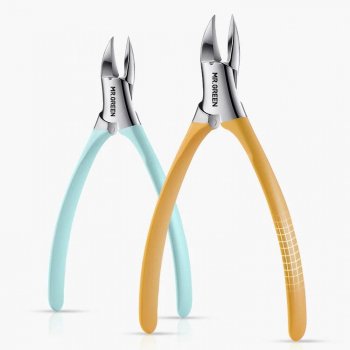
Thick toenails and tender nail edges are a tough combination—regular clippers often pinch, slip, or force awkward angles that can make trimming feel like a chore. Our team designed Velori’s Ingrown Toenail Clippers for Thick Nails for careful, controlled trimming that helps keep nail edges neat and manageable, especially when nails are hard or overgrown.
When you can take smaller, more deliberate cuts (instead of wrestling the nail), you’re more likely to stop at the right point—before you dig, tear, or over-trim the corners.
Why thick toenails make trimming harder than it should be
- Thick nails resist standard clipper jaws, which can lead to squeezing harder than is comfortable and still not getting a clean cut.
- A straight, wide cut can leave corners too sharp or too deep, increasing the chance of pressure along the nail edge inside shoes.
- Limited visibility and awkward foot angles make small, precise cuts more difficult—precision matters most at the corners.
- Ragged cuts can catch on socks and shoes, tempting over-trimming later to “fix” the snag.
If you’ve ever felt like you’re “nibbling” at a stubborn nail (and still not liking the result), the problem is usually control and cut quality—not your effort.
What these ingrown toenail clippers are made to do
- Support controlled trimming along the nail edges, where thick nails commonly press into the skin.
- Help reduce tugging by focusing on a firm bite and a clean cut rather than repeated passes that can split the nail.
- Make it easier to take small, incremental cuts, which is useful when working around sensitive corners.
- Pair well with a simple routine: soften nails first, trim gradually, smooth the edge, and stop before digging.
Quick guide: standard clippers vs. clippers intended for thick/ingrown-prone nails
| Feature | Standard toenail clipper | Ingrown toenail clippers for thick nails (this style) |
|---|---|---|
| Cut control at corners | Often bulky; corners can be hard to reach | Designed for more targeted corner work and incremental trimming |
| Performance on thick nails | May crush or require multiple passes | Built for stronger, cleaner cuts with less repeated pressure |
| Grip and stability | Can slip if hands are damp or angles are awkward | Aims for steadier handling for slower, safer trimming |
| Best use | Routine trimming on average nails | Thick nails and edge-focused trimming where precision matters |
A simple trimming routine for thick nails (comfort-first approach)
- Soften first: a warm foot soak can make thick nails easier to cut without forcing the tool.
- Dry well: clippers grip better on a dry nail surface, and you can see the edge more clearly.
- Trim in small sections: especially near the corners—avoid taking a deep corner cut in one squeeze.
- Aim for a gentle shape: keep the edge neat without digging into the sides.
- Smooth the edge: if a corner feels sharp, lightly refine it rather than cutting further into the side.
If you want medical guidance on prevention basics, these overviews can be helpful: Mayo Clinic, NHS, and the American Academy of Dermatology.
When to pause and get medical help
- Persistent redness, swelling, warmth, or drainage can be a sign of infection—professional evaluation is safer than repeated trimming.
- If you have diabetes, poor circulation, or neuropathy, consult a clinician for foot care guidance before self-trimming.
- Severe pain or a nail that repeatedly grows into the skin may require treatment beyond at-home grooming.
- If cutting feels like it requires force, stop. Forcing a cut can crack the nail or lead to an accidental deep trim.
Keeping clippers clean between uses
- Wipe debris off right after trimming so residue doesn’t dry onto the cutting edges.
- Clean and dry thoroughly before storage to help prevent rust and keep the hinge moving smoothly.
- Store in a dry spot; avoid leaving tools in a steamy bathroom environment.
- Keep personal nail tools separate if multiple people share a household for better hygiene.
Product pick: Velori Ingrown Toenail Clippers for Thick Nails
When thick nails make standard clippers feel too blunt—or when the corners need more careful attention—our Velori Ingrown Toenail Clippers for Thick Nails are a practical upgrade. They’re made for edge-focused trimming where control and a confident cut matter most, and they fit best into a steady routine: soften, trim gradually, smooth, and avoid digging into the sides.
At-a-glance
| Item | Price | Availability | Link |
|---|---|---|---|
| Ingrown Toenail Clippers for Thick Nails | 22.51 USD | In stock | View product |
Other in-stock picks you may want to grab while you’re here
- 65W GaN USB C Fast Wall Charger with Quick Charge (in stock) — a compact, high-output charger for everyday carry.
- 66W 5A Fast Charging Spring Retractable USB Type C Cable – For Car & On-the-Go (in stock) — a tidy option for charging on the move.
- Men’s Genuine Leather Belt with Classic Metal Pin Buckle – Casual & Dress (in stock) — a simple wardrobe staple.
FAQ
How do thick nails affect ingrown toenails?
Thicker nails can press more firmly at the nail edges, and the corners can be harder to manage with standard tools. Small, careful trims and avoiding deep corner cuts can help reduce edge pressure and keep the nail border neater.
Should toenails be cut straight across or rounded at the corners?
A conservative approach is usually best: trim generally straight across, then lightly refine sharpness at the edges without digging down into the corners. If there’s pain, swelling, or inflammation, pause and get medical guidance instead of trying to “shape it out.”
What should be avoided when trimming a painful nail edge?
Avoid cutting too deep at the corners, tearing the nail instead of making a clean cut, forcing the tool through resistance, and repeatedly trimming aggressively in the same area. Also avoid continuing if there are signs of infection such as drainage, worsening redness, or heat.
Recommended for you
Sorry I’m Late—My Cat Was Sitting On Me Crewneck
Oct 16, 2026
Tommy Hilfiger Men’s Black Rucksack for Daily Carry
Oct 17, 2026







Leave a comment