-
Shop
- Adidas
- Advanced Technologies
- Apple Accessories
- Armani
- Arts, Crafts & Hobbies
- Astrology & Tarot Products
- Bathroom
- Best-Sellers
- Black Friday Sale
- Calvin Klein
- Car Accessories
- Christmas Collection
- Dating & Social Skills
- Denim
- 7FOR
- AGOLDE
- Antony Morato
- Armani Exchange
- Boss
- Brunello Cucinelli
- Calvin Klein Jeans
- Costume National
- Desigual
- Diesel
- Dolce & Gabbana
- Dsquared²
- Ermanno Scervino
- Fendi
- Gianni Lupo
- Guess Jeans
- Ichi
- Just Cavalli
- Lee
- Levi's
- Liu Jo
- Morgan De Toi
- Mother Denim
- Only
- Pepe Jeans
- Pinko
- Replay
- Tommy Hilfiger Jeans
- Valentino
- Vero Moda
- Digital Resources
- Easter Products
- Education & Learning
- Fall 2025 Fashion Best-Sellers
- Family & Parenting
- Fashion
- Accessories
- Alexander McQueen
- Bags
- Bags & Wallets
- Balenciaga
- Belts
- Blazers
- Blouses & Shirts
- Bottega Veneta
- Bottoms
- Brunello Cucinelli
- Burberry
- Chanel
- Chloé
- Dior
- Dolce & Gabbana
- Dresses
- Etro
- Fendi
- Gucci
- Hats & Hair Accessories
- Hoodies & Sweatshirts
- Jacquemus
- Jewelry
- Jil Sander
- Jimmy Choo
- Kiton
- Laptop Sleeves
- Luggage
- Luggage Bags
- Men's Fashion
- Miu Miu
- Off-White
- Outerwear
- Passport Covers
- Phone Cases
- Prada
- Rick Owens
- Saint Laurent
- Scarves
- Shoes
- Skirts
- Socks
- Socks & Tights
- Sunglasses
- Sweaters & Cardigans
- The Row
- Tom Ford
- Tops & Shirts
- Trousers
- Tumblers
- Valentino
- Valentino Garavani
- Versace
- Vivienne Westwood
- Watches
- Fashion Accessories
- Father's Day
- Fitness & Yoga Guides
- Furniture
- Gadgets
- Gift Guide Collection
- Health & Beauty
- Health & Wellness
- Home & Garden
- Home Electronics
- Home Supplies
- Independence Day
- Kids & Babies
- Kitchen
- Kitchen Best-Sellers
- Lighting
- Luxury Brands Collection
- Mother’s Day
- Nike
- Patio, Lawn & Garden
- Personal Growth
- Pet Care
- Pets
- Pinterest Best-Sellers
- Samsung Accessories
- Sport & Outdoors
- Summer 2025 Fashion Collection
- Super Deals
- TikTok Growth & Monetization Mastery
- Tommy Hilfiger
- Travel
- Travel & Outdoors
- Wealth
- Wealth Building
- Budgeting & Saving
- Cryptocurrency Investing
- Debt Management
- Entrepreneurship & Business Growth
- Family Finance & Budgeting
- Financial Independence
- Financial Mindset & Psychology
- Financial Planning
- Frugal Living & Expense Hacks
- Goal Setting
- High-Income Skills
- Investing Basics
- Leadership
- Motivation
- Networking & Mentorship
- Passive Income Strategies
- Real Estate Investing
- Side Hustles
- Stock Market Investing
- YouTube Shorts Best-Sellers
- Popular
- Best deals
Defensive Driving Habits for Safer Everyday Commutes
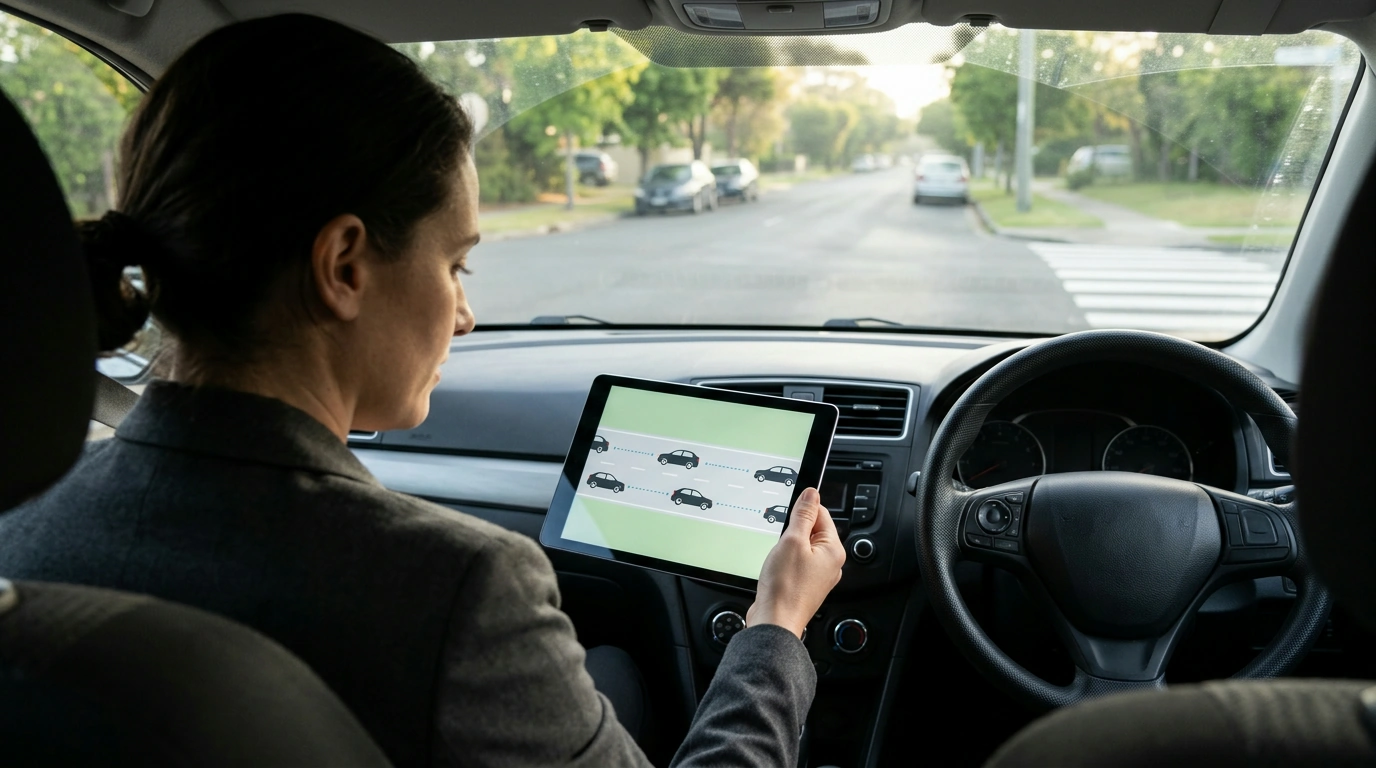
Drive Smart, Stay Safe: Essential Defensive Driving Habits for Everyday Roads
Defensive driving is less about “perfect driving” and more about building small, repeatable habits that reduce risk when other people make unpredictable choices. When you drive with a plan—space, scanning, and calm decision rules—you give yourself options instead of last-second reactions. Our team put together Drive Smart, Stay Safe: Essential Defensive Driving Tips Everyone Should Know eBook for Safer Roads to help you sharpen awareness, create safer space around your car, and make steady choices under pressure on commutes, school runs, road trips, and everything in between.
What defensive driving really means (and why it works)
Defensive driving means you operate as if you’re responsible for the whole scene—not just staying between the lines. You watch the vehicles around you, the gaps they might dive into, and the mistakes they might make. That mindset keeps you from getting trapped in “no-win” moments where hard braking or swerving becomes your only move.
The biggest payoff usually comes from prioritizing time and space. Speed matters, but spacing and timing prevent emergencies more often than quick reflexes do. Defensive driving also assumes uncertainty: turn signals can be late, stops can be rolling, and phones can steal attention. Planning for those realities is what makes your drive feel calmer, not more stressful.
A simple mental loop helps you stay consistent: scan, predict, position, communicate. Repeat it until it’s automatic—on the highway, on surface streets, and even in parking lots.
The space cushion checklist: the habit that saves the most
If you start with one habit, make it a bigger space cushion. Space creates time, and time is what turns close calls into non-events.
- Following distance: Keep enough time to react smoothly, not abruptly—especially behind large vehicles, motorcycles, or when a tailgater is pressuring you from behind.
- Side space: Avoid being boxed-in between two vehicles for long stretches. Either drop back or move ahead so you always have an escape route.
- Front space at stops: Leave room to move if a vehicle approaches too fast from behind. Being able to roll forward can prevent a chain-reaction hit.
- Blind-spot discipline: Glance, signal, then move—never “hope” the blind spot is clear.
- Weather upgrade: Add extra time and reduce aggressive inputs (hard throttle, hard brake, sharp steering) when grip is reduced.
Everyday risk moments and the defensive move
| Road situation | What often goes wrong | Defensive move to use |
|---|---|---|
| Merging traffic | Last-second lane changes and sudden braking | Create a bigger gap; match speed early; avoid driving beside a merging lane |
| Intersections | Red-light runs and rolling stops | Cover the brake; scan left-right-left; wait a beat before entering on green |
| Tailgater behind you | Rear-end risk and pressure to speed | Increase following distance ahead; change lanes when possible; brake earlier and gentler |
| Large trucks/buses | Limited visibility and longer stopping distances | Stay out of blind spots; pass decisively; leave extra space when cutting back in |
| Night driving | Reduced visibility and higher impairment risk | Slow slightly; extend following time; keep windshield clean; reduce distractions |
| Rain/snow | Hydroplaning and longer stops | Slow down early; increase following time; avoid cruise control on slick roads |
See the scene early: scanning patterns that prevent surprises
Most “sudden” hazards aren’t truly sudden—you just didn’t see them early enough. Start by looking farther than the car ahead. Aim your eyes well down the road so you notice slowing traffic, debris, brake lights, and upcoming merges while you still have options.
Calm under pressure: decision rules for close calls
Distraction-proof driving: build a “no-fumble” cockpit
Distraction is a major safety problem, and the simplest solution is reducing the number of things you have to manage while the car is moving. Set up before you roll: navigation, music, temperature, and seating should be handled while parked. For a deeper overview of why distraction matters, see the NHTSA’s guidance on distracted driving.
- 66W 5A Fast Charging Spring Retractable USB Type C Cable – For Car & On-the-Go to keep charging tidy and reduce cable clutter that can snag or distract.
- 65W GaN USB C Fast Wall Charger with Quick Charge so your phone starts the day fully charged before you ever leave the house.
Impairment is another major risk factor, and planning your ride before you’re tired or rushed matters. The CDC’s impaired driving resources are a useful reminder: your best defensive habit sometimes starts before you turn the key.
Put it into practice with a step-by-step guide
Drive Smart, Stay Safe: Essential Defensive Driving Tips Everyone Should Know eBook for Safer Roads is built for real driving: quick principles, practical examples, and habits you can apply on your very next trip. It’s useful if you’re a new driver building fundamentals, an experienced driver refreshing spacing and scanning, or a family setting consistent rules for teen drivers.
FAQ
Is defensive driving mainly for new drivers?
No—defensive driving benefits every experience level. As you drive more, habits can drift and attention can get casual, so defensive driving refreshes scanning, spacing, and decision-making that keep you consistent.
What’s the single most important defensive driving habit to start with?
Maintain a safe following time gap and expand it in bad weather or heavy traffic. That extra time buffer supports nearly every other good decision, from smoother braking to safer lane changes.
How can defensive driving help with aggressive drivers on the road?
It gives you a clear plan: don’t engage, create space, and let them go. Increase your following distance, change lanes when safe, and brake earlier and more gently to reduce rear-end risk.
Recommended for you


Miu Miu Patent Slingback Pumps: Kitten Heel Shine
Oct 15, 2026







Leave a comment