-
Shop
- Adidas
- Advanced Technologies
- Apple Accessories
- Armani
- Arts, Crafts & Hobbies
- Astrology & Tarot Products
- Bathroom
- Best-Sellers
- Black Friday Sale
- Calvin Klein
- Car Accessories
- Christmas Collection
- Dating & Social Skills
- Denim
- 7FOR
- AGOLDE
- Antony Morato
- Armani Exchange
- Boss
- Brunello Cucinelli
- Calvin Klein Jeans
- Costume National
- Desigual
- Diesel
- Dolce & Gabbana
- Dsquared²
- Ermanno Scervino
- Fendi
- Gianni Lupo
- Guess Jeans
- Ichi
- Just Cavalli
- Lee
- Levi's
- Liu Jo
- Morgan De Toi
- Mother Denim
- Only
- Pepe Jeans
- Pinko
- Replay
- Tommy Hilfiger Jeans
- Valentino
- Vero Moda
- Digital Resources
- Easter Products
- Education & Learning
- Fall 2025 Fashion Best-Sellers
- Family & Parenting
- Fashion
- Accessories
- Alexander McQueen
- Bags
- Bags & Wallets
- Balenciaga
- Belts
- Blazers
- Blouses & Shirts
- Bottega Veneta
- Bottoms
- Brunello Cucinelli
- Burberry
- Chanel
- Chloé
- Dior
- Dolce & Gabbana
- Dresses
- Etro
- Fendi
- Gucci
- Hats & Hair Accessories
- Hoodies & Sweatshirts
- Jacquemus
- Jewelry
- Jil Sander
- Jimmy Choo
- Kiton
- Laptop Sleeves
- Luggage
- Luggage Bags
- Men's Fashion
- Miu Miu
- Off-White
- Outerwear
- Passport Covers
- Phone Cases
- Prada
- Rick Owens
- Saint Laurent
- Scarves
- Shoes
- Skirts
- Socks
- Socks & Tights
- Sunglasses
- Sweaters & Cardigans
- The Row
- Tom Ford
- Tops & Shirts
- Trousers
- Tumblers
- Valentino
- Valentino Garavani
- Versace
- Vivienne Westwood
- Watches
- Fashion Accessories
- Father's Day
- Fitness & Yoga Guides
- Furniture
- Gadgets
- Gift Guide Collection
- Health & Beauty
- Health & Wellness
- Home & Garden
- Home Electronics
- Home Supplies
- Independence Day
- Kids & Babies
- Kitchen
- Kitchen Best-Sellers
- Lighting
- Luxury Brands Collection
- Mother’s Day
- Nike
- Patio, Lawn & Garden
- Personal Growth
- Pet Care
- Pets
- Pinterest Best-Sellers
- Samsung Accessories
- Sport & Outdoors
- Summer 2025 Fashion Collection
- Super Deals
- TikTok Growth & Monetization Mastery
- Tommy Hilfiger
- Travel
- Travel & Outdoors
- Wealth
- Wealth Building
- Budgeting & Saving
- Cryptocurrency Investing
- Debt Management
- Entrepreneurship & Business Growth
- Family Finance & Budgeting
- Financial Independence
- Financial Mindset & Psychology
- Financial Planning
- Frugal Living & Expense Hacks
- Goal Setting
- High-Income Skills
- Investing Basics
- Leadership
- Motivation
- Networking & Mentorship
- Passive Income Strategies
- Real Estate Investing
- Side Hustles
- Stock Market Investing
- YouTube Shorts Best-Sellers
- Popular
- Best deals
Cordless Electric Spin Scrubber for Tubs, Floors and Tiles
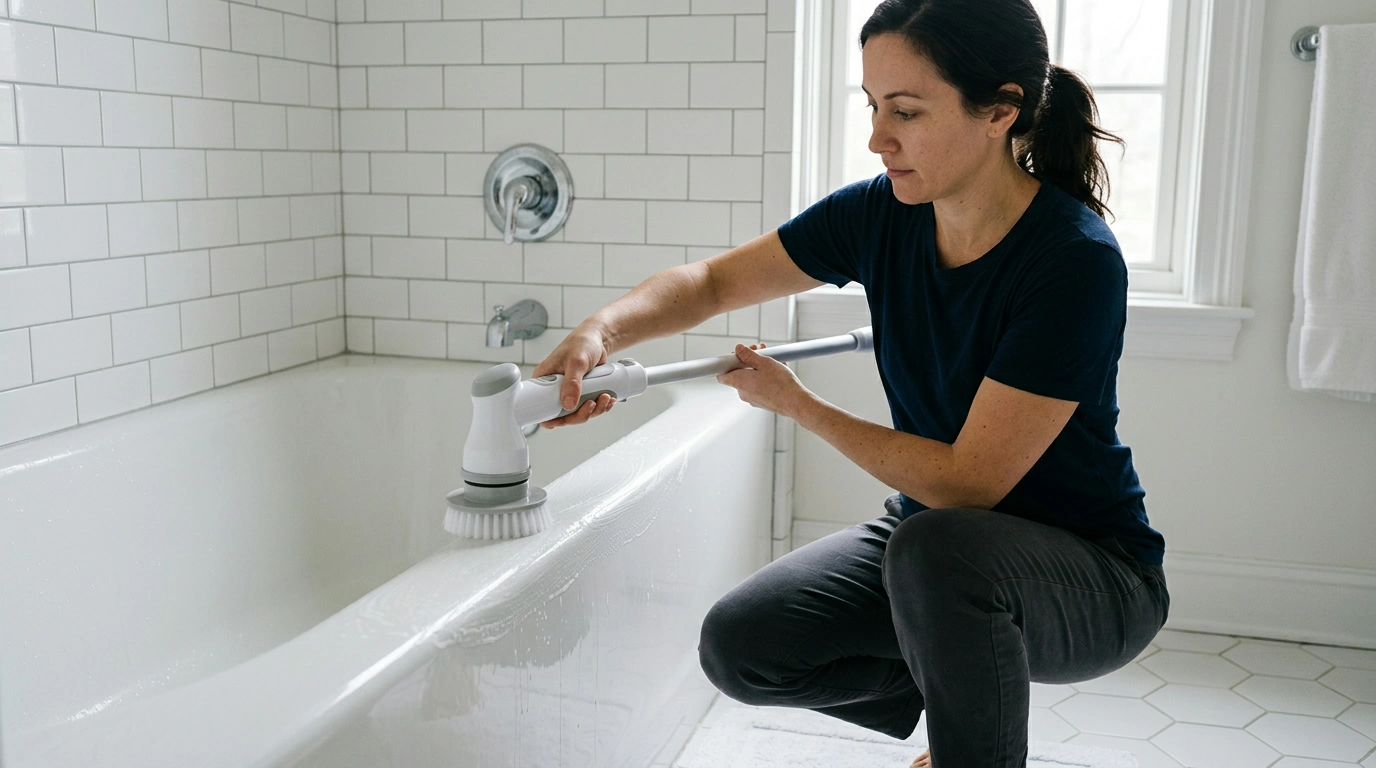
Soap residue around a bathtub and everyday dirt on tile or flooring can make routine cleaning feel like an ongoing chore. A cordless electric spin scrubber gives you another way to tackle those surfaces without a power cord trailing through your workspace. With a little preparation and the right cleaner, you can fit it into a practical routine that respects the materials in your home. For more guidance, see Best Power Scrubbers, Lab-Tested and Reviewed.
A cordless tool for everyday cleaning
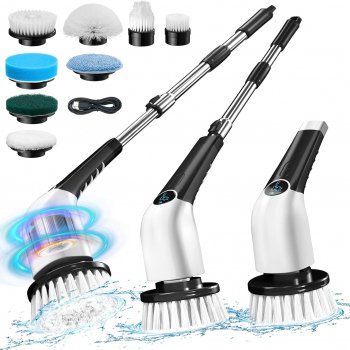
Our Electric Spin Scrubber – Cordless Power Scrubber for Bathtubs, Floors & Tiles is designed for cleaning tasks where you would otherwise scrub by hand. Its cordless format lets you move around the area without managing a cord near the surface you are cleaning. For further reading, see Best Bathtub Scrubber Reviews 2021 – (Electric, Battery, and ….
We list the scrubber at $24.51. Pricing and availability may change, so visit the product page for current purchasing details. Before using it, read the included instructions so you understand how to operate and care for the tool.
A power scrubber is one part of a cleaning routine, not a replacement for choosing the right products. The surface material, the type of dirt and the cleaner’s directions all matter. Start gently and adjust your approach according to the care instructions for your tub, floor or tile.
Where to use your spin scrubber
In a bathtub, focus on the areas where soap residue tends to collect, such as the sides and the area around fixtures. Use a cleaner approved for the tub’s finish, and avoid abrasive products that could damage it. A gentle test in an inconspicuous spot can help you check how the surface responds before you continue.
On floors, choose your method according to the flooring material. Everyday dirt may call for a different cleaner than bathroom residue, and some floors should not be exposed to excess moisture. Work in manageable sections and wipe up cleaning solution as directed rather than allowing it to pool.
For tiled surfaces, consider both the tile and the grout. Their care requirements may differ, particularly if either has a special finish or treatment. Test a small hidden area first, use a suitable cleaner and work gently along grout lines without pressing hard.
Our team recommends checking the surface manufacturer’s care instructions before you begin. When in doubt about a finish or cleaning product, use the more cautious approach recommended by the manufacturer.
| Surface | Cleaning focus | Care tip |
|---|---|---|
| Bathtubs | Soap residue and routine buildup | Check the tub’s care instructions and avoid abrasive products. |
| Floors | Everyday dirt | Use a cleaner suitable for the flooring and avoid excess moisture. |
| Tiles | Surface dirt and grout lines | Test first and follow care guidance for both tile and grout. |
A simple cleaning routine
1. Prepare the area
Move bottles, bath mats and other loose items out of your way. On a floor, remove loose debris first so you can concentrate on the dirt left on the surface. Choose a cleaning product intended for the material and read its label, including any directions for protective equipment and ventilation.
2. Test and scrub gently
Apply the cleaner as its label directs. Test the scrubber in an inconspicuous area, using a light touch. If the finish shows signs of damage, stop and consult the surface manufacturer’s care guidance.
Once you are satisfied with the test, work over the area without excessive pressure. Pay attention to edges, grout lines and other spots where residue collects, but let the surface’s condition guide you. Stubborn marks should not be a reason to press harder or use an unsuitable abrasive cleaner.
3. Finish and put the tool away
Rinse or wipe away residue as appropriate for the surface and cleaner. Dry the area when the surface manufacturer recommends it, and return your items once the space is ready to use.
Follow the scrubber’s instructions for operating, cleaning and storing it. Keep its electrical components away from water unless the instructions explicitly permit exposure. Do not assume the tool can be submerged simply because it is used in a bathroom.
Make the most of regular upkeep
Cleaning routinely can help you address soap residue and dirt before they become more difficult to remove. Choose a schedule that fits your household, and give frequently used areas a quick look between deeper cleanings. If you notice buildup returning in the same place, make that spot part of your regular routine.
Never mix cleaning chemicals, and ventilate the space as directed on the cleaner’s label. For more general guidance, see the CDC’s advice on cleaning and disinfecting your home.
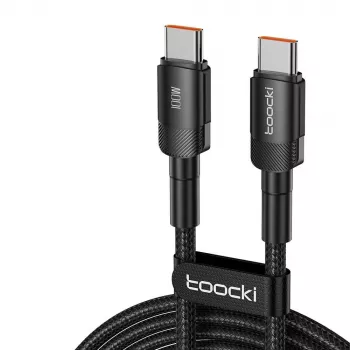
For other household purchases, we also carry a 65W GaN USB C Fast Wall Charger with Quick Charge. Check device and charger specifications for compatibility; do not assume it is suitable for the scrubber.
Ready to plan your next cleaning session? Visit our scrubber product page for current purchasing details.
FAQ
Can I use an electric spin scrubber on all bathroom surfaces?
Not necessarily. Follow each surface manufacturer’s care guidance and test an inconspicuous area before cleaning.
What cleaner should I use with a spin scrubber?
Choose a cleaner appropriate for the surface and follow its label. Never mix cleaning chemicals.
Can the scrubber be submerged in water?
Do not assume it is submersible. Follow the product instructions and keep electrical components away from water unless explicitly permitted.








Leave a comment