-
Shop
- Adidas
- Advanced Technologies
- Apple Accessories
- Armani
- Arts, Crafts & Hobbies
- Astrology & Tarot Products
- Bathroom
- Best-Sellers
- Black Friday Sale
- Calvin Klein
- Car Accessories
- Christmas Collection
- Dating & Social Skills
- Denim
- 7FOR
- AGOLDE
- Antony Morato
- Armani Exchange
- Boss
- Brunello Cucinelli
- Calvin Klein Jeans
- Costume National
- Desigual
- Diesel
- Dolce & Gabbana
- Dsquared²
- Ermanno Scervino
- Fendi
- Gianni Lupo
- Guess Jeans
- Ichi
- Just Cavalli
- Lee
- Levi's
- Liu Jo
- Morgan De Toi
- Mother Denim
- Only
- Pepe Jeans
- Pinko
- Replay
- Tommy Hilfiger Jeans
- Valentino
- Vero Moda
- Digital Resources
- Easter Products
- Education & Learning
- Fall 2025 Fashion Best-Sellers
- Family & Parenting
- Fashion
- Accessories
- Alexander McQueen
- Bags
- Bags & Wallets
- Balenciaga
- Belts
- Blazers
- Blouses & Shirts
- Bottega Veneta
- Bottoms
- Brunello Cucinelli
- Burberry
- Chanel
- Chloé
- Dior
- Dolce & Gabbana
- Dresses
- Etro
- Fendi
- Gucci
- Hats & Hair Accessories
- Hoodies & Sweatshirts
- Jacquemus
- Jewelry
- Jil Sander
- Jimmy Choo
- Kiton
- Laptop Sleeves
- Luggage
- Luggage Bags
- Men's Fashion
- Miu Miu
- Off-White
- Outerwear
- Passport Covers
- Phone Cases
- Prada
- Rick Owens
- Saint Laurent
- Scarves
- Shoes
- Skirts
- Socks
- Socks & Tights
- Sunglasses
- Sweaters & Cardigans
- The Row
- Tom Ford
- Tops & Shirts
- Trousers
- Tumblers
- Valentino
- Valentino Garavani
- Versace
- Vivienne Westwood
- Watches
- Fashion Accessories
- Father's Day
- Fitness & Yoga Guides
- Furniture
- Gadgets
- Gift Guide Collection
- Health & Beauty
- Health & Wellness
- Home & Garden
- Home Electronics
- Home Supplies
- Independence Day
- Kids & Babies
- Kitchen
- Kitchen Best-Sellers
- Lighting
- Luxury Brands Collection
- Mother’s Day
- Nike
- Patio, Lawn & Garden
- Personal Growth
- Pet Care
- Pets
- Pinterest Best-Sellers
- Samsung Accessories
- Sport & Outdoors
- Summer 2025 Fashion Collection
- Super Deals
- TikTok Growth & Monetization Mastery
- Tommy Hilfiger
- Travel
- Travel & Outdoors
- Wealth
- Wealth Building
- Budgeting & Saving
- Cryptocurrency Investing
- Debt Management
- Entrepreneurship & Business Growth
- Family Finance & Budgeting
- Financial Independence
- Financial Mindset & Psychology
- Financial Planning
- Frugal Living & Expense Hacks
- Goal Setting
- High-Income Skills
- Investing Basics
- Leadership
- Motivation
- Networking & Mentorship
- Passive Income Strategies
- Real Estate Investing
- Side Hustles
- Stock Market Investing
- YouTube Shorts Best-Sellers
- Popular
- Best deals
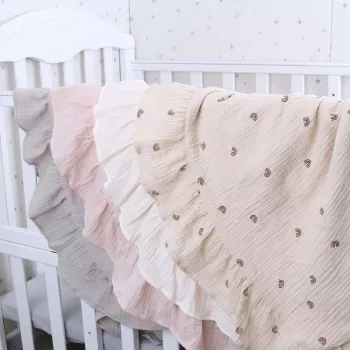
Baby Muslin Receiving Blanket: Swaddle, Burp, Go

Baby Muslin Receiving Blanket: the everyday layer for swaddling, cuddling, and quick cleanups
Some baby essentials earn their spot by doing a dozen little jobs well. A baby muslin receiving blanket is that kind of staple—soft for newborn skin, breathable for everyday comfort, and easy to keep within reach from bassinet to stroller. Our team chose the Baby Muslin Receiving Blanket for that simple, reliable role: a lightweight layer you can grab for swaddles, burps, tummy time, and on-the-go coverage. For more guidance, see Swaddle Blankets Mothercare – We Tried Three of The Best ….
What makes muslin a smart everyday fabric for babies
When you’re reaching for the same item multiple times a day, comfort and practicality matter. Muslin’s airy weave and easy fold make it a go-to for families who want one blanket that can flex with real life. For further reading, see GLLQUEN BABY Receiving Blankets Muslin Swaddle ….
- Breathable comfort: Muslin’s light weave helps keep your baby comfortable as room temperatures shift.
- Soft feel: A gentle hand feel is especially helpful for frequent-contact items like receiving blankets.
- Lightweight layering: Easy to add as a single layer during cuddles or as a quick drape moving between rooms.
- Practical flexibility: One blanket can rotate between swaddling, burp duty, stroller shade, and playtime.
- Packable: Folds down neatly for diaper bags, car consoles, and backup storage.
Receiving blanket uses by moment
| Moment | How the blanket helps | Quick tip |
|---|---|---|
| Newborn wrap time | Creates a snug, calming layer | Keep the fabric away from the face and stop swaddling once baby shows signs of rolling. |
| Burps and spit-ups | Protects clothing and upholstery | Fold into a thicker pad over the shoulder for extra coverage. |
| Stroller walks | Acts as a light cover from breeze or sun glare | Maintain airflow; avoid sealing the stroller opening. |
| Tummy time | Adds a clean, soft surface on the floor | Lay flat and smooth to reduce bunching under baby. |
| Quick changes | Works as a clean barrier in public spaces | Keep one dedicated blanket in the bag for this purpose. |
How to use a receiving blanket day to day
A receiving blanket shines when it’s part of your flow—one that lives near the feeding chair, one that stays packed, and one that’s always clean and ready. Here are a few routines our team sees families rely on most.
- Swaddle support: Use a light wrap for calm, then transition out of swaddling as your baby becomes more mobile.
- Nursing and feeding coverage: Use it as a shoulder cloth or lap cover to catch drips and protect outfits.
- Sleep-space routine: Keep bedding minimal and follow safe-sleep guidance; use the blanket for supervised soothing, not as a loose sleep item.
- On-the-go shade: Drape loosely for ventilation and visibility, especially on warm days.
- Comfort cue: Keep one familiar blanket in rotation to make transitions easier during travel or errands.
For safe sleep fundamentals, the American Academy of Pediatrics shares clear, parent-friendly guidance here: AAP — Safe Sleep Recommendations.
Care and rotation tips for staying soft and ready
Receiving blankets work hard. The easiest way to keep them feeling good is a simple care routine and a small rotation so you’re not waiting on the laundry to catch up.
- Start with a simple wash routine: A gentle detergent and a thorough rinse help keep baby textiles comfortable.
- Build a small rotation: Having more than one blanket keeps a clean backup available when messes stack up.
- Handle stains fast: A quick cold-water rinse right after a mess helps prevent set-in marks.
- Dry thoughtfully: Avoid over-drying when possible to help maintain a soft hand feel over time.
- Keep a “grab-and-go” fold: Store one folded by the changing station and one in the diaper bag.
If you want general, reliable hygiene guidance for household laundry routines, the CDC overview is a helpful reference: CDC — How to Do Laundry.
Choosing the right receiving blanket for your family
The “right” blanket is the one you’ll actually use daily. When you’re comparing options, focus on feel, function, and how it fits your routines.
A simple checklist before adding one to the nursery
| Check | Why it matters |
|---|---|
| Breathable fabric | Comfort for daily use and layering |
| Soft against skin | Better for frequent cuddles, wraps, and shoulder use |
| Easy to wash | Less hassle after spit-ups and diaper leaks |
| Useful size | More ways to use it at home and on the go |
| Fits routine | Supports how often laundry is done and how you travel |
In-stock picks from our shop for everyday parenting routines
- Baby Muslin Receiving Blanket — a dependable muslin layer for swaddling, cuddling, quick cleanups, and on-the-go coverage.
- 65W GaN USB C Fast Wall Charger with Quick Charge — a compact way to keep essentials powered when you’re juggling feeding, naps, and a packed schedule.
- 66W 5A Fast Charging Spring Retractable USB Type C Cable – For Car & On-the-Go — a tidy car-friendly cable option for errands and longer drives.
At-a-glance details
| Item | Price | Availability |
|---|---|---|
| Baby Muslin Receiving Blanket | $33.82 | In stock |
FAQ
Is a muslin receiving blanket okay for swaddling?
Yes—many families use muslin for swaddling because it’s lightweight and breathable. Keep the fabric away from your baby’s face, avoid wrapping too tightly, and stop swaddling when your baby shows signs of rolling.
How many receiving blankets are useful to have on hand?
A practical range is enough for a small home rotation plus one that stays in your diaper bag. Backups help on days with multiple spit-ups, diaper leaks, or quick changes.
How should a receiving blanket be used around sleep?
Keep your baby’s sleep space clear of loose blankets unless your pediatric professional advises otherwise. Use a receiving blanket for supervised soothing and daytime routines, and follow current safe-sleep recommendations.
Recommended for you

Samsung 100W 3-in-1 USB-C Cable for Fast Charging
Oct 18, 2026







Leave a comment