-
Shop
- Adidas
- Advanced Technologies
- Apple Accessories
- Armani
- Arts, Crafts & Hobbies
- Astrology & Tarot Products
- Bathroom
- Best-Sellers
- Black Friday Sale
- Calvin Klein
- Car Accessories
- Christmas Collection
- Dating & Social Skills
- Denim
- 7FOR
- AGOLDE
- Antony Morato
- Armani Exchange
- Boss
- Brunello Cucinelli
- Calvin Klein Jeans
- Costume National
- Desigual
- Diesel
- Dolce & Gabbana
- Dsquared²
- Ermanno Scervino
- Fendi
- Gianni Lupo
- Guess Jeans
- Ichi
- Just Cavalli
- Lee
- Levi's
- Liu Jo
- Morgan De Toi
- Mother Denim
- Only
- Pepe Jeans
- Pinko
- Replay
- Tommy Hilfiger Jeans
- Valentino
- Vero Moda
- Digital Resources
- Easter Products
- Education & Learning
- Fall 2025 Fashion Best-Sellers
- Family & Parenting
- Fashion
- Accessories
- Alexander McQueen
- Bags
- Bags & Wallets
- Balenciaga
- Belts
- Blazers
- Blouses & Shirts
- Bottega Veneta
- Bottoms
- Brunello Cucinelli
- Burberry
- Chanel
- Chloé
- Dior
- Dolce & Gabbana
- Dresses
- Etro
- Fendi
- Gucci
- Hats & Hair Accessories
- Hoodies & Sweatshirts
- Jacquemus
- Jewelry
- Jil Sander
- Jimmy Choo
- Kiton
- Laptop Sleeves
- Luggage
- Luggage Bags
- Men's Fashion
- Miu Miu
- Off-White
- Outerwear
- Passport Covers
- Phone Cases
- Prada
- Rick Owens
- Saint Laurent
- Scarves
- Shoes
- Skirts
- Socks
- Socks & Tights
- Sunglasses
- Sweaters & Cardigans
- The Row
- Tom Ford
- Tops & Shirts
- Trousers
- Tumblers
- Valentino
- Valentino Garavani
- Versace
- Vivienne Westwood
- Watches
- Fashion Accessories
- Father's Day
- Fitness & Yoga Guides
- Furniture
- Gadgets
- Gift Guide Collection
- Health & Beauty
- Health & Wellness
- Home & Garden
- Home Electronics
- Home Supplies
- Independence Day
- Kids & Babies
- Kitchen
- Kitchen Best-Sellers
- Lighting
- Luxury Brands Collection
- Mother’s Day
- Nike
- Patio, Lawn & Garden
- Personal Growth
- Pet Care
- Pets
- Pinterest Best-Sellers
- Samsung Accessories
- Sport & Outdoors
- Summer 2025 Fashion Collection
- Super Deals
- TikTok Growth & Monetization Mastery
- Tommy Hilfiger
- Travel
- Travel & Outdoors
- Wealth
- Wealth Building
- Budgeting & Saving
- Cryptocurrency Investing
- Debt Management
- Entrepreneurship & Business Growth
- Family Finance & Budgeting
- Financial Independence
- Financial Mindset & Psychology
- Financial Planning
- Frugal Living & Expense Hacks
- Goal Setting
- High-Income Skills
- Investing Basics
- Leadership
- Motivation
- Networking & Mentorship
- Passive Income Strategies
- Real Estate Investing
- Side Hustles
- Stock Market Investing
- YouTube Shorts Best-Sellers
- Popular
- Best deals
Preschool Math and Reading Flash Cards: Play Ideas
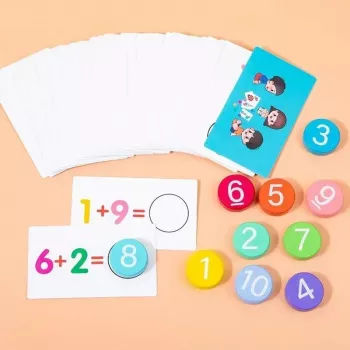
Playtime can be a comfortable place to explore numbers, letters, and words together. A few blocks on the floor or a conversation about a card can turn a quiet moment into an invitation to count, describe, and wonder. For more guidance, see The Best Learning Resources for children | Study Assistant.
Our team likes activities that leave room for a preschooler’s curiosity. You can keep these ideas simple, adapt them to your child’s interests, and stop whenever they are ready to move on. For further reading, see Carson Dellosa 104 American Sign Language Flash Cards for Kids ….
A Hands-On Way to Explore Early Skills
Our Preschool Math & Reading Flash Cards with Wooden Blocks brings cards and wooden blocks together for play. You can use the materials to start conversations about what your child notices, whether that is a number, a familiar letter, or a group of blocks they have arranged.
There is no need to work through a set of questions in order. Try making a comment such as “I see two blocks here” and give your child time to respond. They might count along, rearrange the blocks, or tell you a story instead. Each response gives you a way to continue playing together.
For more ideas about supporting preschoolers through everyday interactions, explore the CDC’s positive parenting guidance for ages three through five.
Simple Math Play Ideas
Start by placing a few blocks where you and your child can reach them. Touch each block as you count aloud, then invite your child to try. If they want to point, move the blocks, or listen rather than count, follow their lead. You can always return to the game another day.
Next, make two small groups. Ask, “Which group has more?” or “Can we make a group with fewer?” Your child can move blocks between the groups while you talk about what changes. Keep the groups small enough to be comfortable, and use the blocks to make the question visible rather than expecting a quick answer.
Short sessions can work well. Repeat a favorite game while your child is interested, then put the materials away when their attention shifts. The goal is shared exploration, not finishing a lesson.
Ways to Play Together
| Activity | How to Try It | Skill to Explore |
|---|---|---|
| Count together | Count blocks aloud one by one. | Number words |
| Compare groups | Make two small groups and ask which has more. | More and fewer |
| Talk about cards | Point to a card and describe what you notice together. | Language and attention |
For more ways to weave counting and comparison into daily life, the National Association for the Education of Young Children’s math-at-home ideas offer a useful starting point.
Bring Reading into Playtime
Choose a card and invite your child to tell you what they see. You might ask, “What do you notice?” or “What does that remind you of?” Listen to their answer, even if it takes the conversation in an unexpected direction. Add a detail of your own or repeat a word they use to keep the exchange going.
When it feels appropriate, name a familiar letter or word together. If your child is unsure, offer the name gently and move on without making the moment a test. They might enjoy finding a letter that appears in their name or connecting a word to something they already know.
You can also carry the conversation into story time. Look for a familiar letter in a book, or talk about an object you saw on a card when you encounter something similar around the house. These small connections make it easy to revisit an idea without setting aside a formal practice session.
Make the Set Part of Your Routine
A few minutes during a quiet part of the day may be enough. You could play before reading together, after a snack, or whenever your child asks to bring out the cards and blocks. Let them choose an activity or decide when they are ready to move on.
Adjust your questions to their interests. A child who enjoys arranging things might like making groups, while a child who loves stories may prefer talking about a card. Celebrate their participation with a comment such as “You made a new group” or “I enjoyed hearing your idea,” rather than focusing only on correct answers.
Stay with your child during play and follow the age and safety guidance supplied with the product. Put the materials away after your session so they are ready for the next supervised playtime.
Ready for Playtime?
Cards and blocks give you a simple way to share counting and language activities while leaving room for your child’s ideas. Visit our product page for the current price and availability, and choose a game that fits the moment.
If you are also planning for family mealtimes, our Compact Stainless Steel Rice Cooker & Warmer with One-Touch Operation – 3-Cup (Uncooked) offers a separate option for preparing rice.
FAQ
How can I use the set to practice counting?
Count blocks aloud together one at a time, then make small groups and talk about which has more or fewer. Let your child participate at a pace that feels comfortable.
Can the set be used for reading activities?
Use the cards to start conversations and, when appropriate, name familiar letters or words together. Follow your child’s lead and offer help without turning play into a test.
Does play need to be supervised?
Yes. Supervise play and follow the age and safety guidance supplied with the product.
Recommended for you


Reusable Gas Stove Burner Covers: Cleanup and Safety
Nov 24, 2026
Creative Cat Villa: A Cozy Nest for All Seasons
Nov 25, 2026







Leave a comment