-
Shop
- Adidas
- Advanced Technologies
- Apple Accessories
- Armani
- Arts, Crafts & Hobbies
- Astrology & Tarot Products
- Bathroom
- Best-Sellers
- Black Friday Sale
- Calvin Klein
- Car Accessories
- Christmas Collection
- Dating & Social Skills
- Denim
- 7FOR
- AGOLDE
- Antony Morato
- Armani Exchange
- Boss
- Brunello Cucinelli
- Calvin Klein Jeans
- Costume National
- Desigual
- Diesel
- Dolce & Gabbana
- Dsquared²
- Ermanno Scervino
- Fendi
- Gianni Lupo
- Guess Jeans
- Ichi
- Just Cavalli
- Lee
- Levi's
- Liu Jo
- Morgan De Toi
- Mother Denim
- Only
- Pepe Jeans
- Pinko
- Replay
- Tommy Hilfiger Jeans
- Valentino
- Vero Moda
- Digital Resources
- Easter Products
- Education & Learning
- Fall 2025 Fashion Best-Sellers
- Family & Parenting
- Fashion
- Accessories
- Alexander McQueen
- Bags
- Bags & Wallets
- Balenciaga
- Belts
- Blazers
- Blouses & Shirts
- Bottega Veneta
- Bottoms
- Brunello Cucinelli
- Burberry
- Chanel
- Chloé
- Dior
- Dolce & Gabbana
- Dresses
- Etro
- Fendi
- Gucci
- Hats & Hair Accessories
- Hoodies & Sweatshirts
- Jacquemus
- Jewelry
- Jil Sander
- Jimmy Choo
- Kiton
- Laptop Sleeves
- Luggage
- Luggage Bags
- Men's Fashion
- Miu Miu
- Off-White
- Outerwear
- Passport Covers
- Phone Cases
- Prada
- Rick Owens
- Saint Laurent
- Scarves
- Shoes
- Skirts
- Socks
- Socks & Tights
- Sunglasses
- Sweaters & Cardigans
- The Row
- Tom Ford
- Tops & Shirts
- Trousers
- Tumblers
- Valentino
- Valentino Garavani
- Versace
- Vivienne Westwood
- Watches
- Fashion Accessories
- Father's Day
- Fitness & Yoga Guides
- Furniture
- Gadgets
- Gift Guide Collection
- Health & Beauty
- Health & Wellness
- Home & Garden
- Home Electronics
- Home Supplies
- Independence Day
- Kids & Babies
- Kitchen
- Kitchen Best-Sellers
- Lighting
- Luxury Brands Collection
- Mother’s Day
- Nike
- Patio, Lawn & Garden
- Personal Growth
- Pet Care
- Pets
- Pinterest Best-Sellers
- Samsung Accessories
- Sport & Outdoors
- Summer 2025 Fashion Collection
- Super Deals
- TikTok Growth & Monetization Mastery
- Tommy Hilfiger
- Travel
- Travel & Outdoors
- Wealth
- Wealth Building
- Budgeting & Saving
- Cryptocurrency Investing
- Debt Management
- Entrepreneurship & Business Growth
- Family Finance & Budgeting
- Financial Independence
- Financial Mindset & Psychology
- Financial Planning
- Frugal Living & Expense Hacks
- Goal Setting
- High-Income Skills
- Investing Basics
- Leadership
- Motivation
- Networking & Mentorship
- Passive Income Strategies
- Real Estate Investing
- Side Hustles
- Stock Market Investing
- YouTube Shorts Best-Sellers
- Popular
- Best deals
Thickened Sponge Knee Pads: A Fitness Comfort Guide
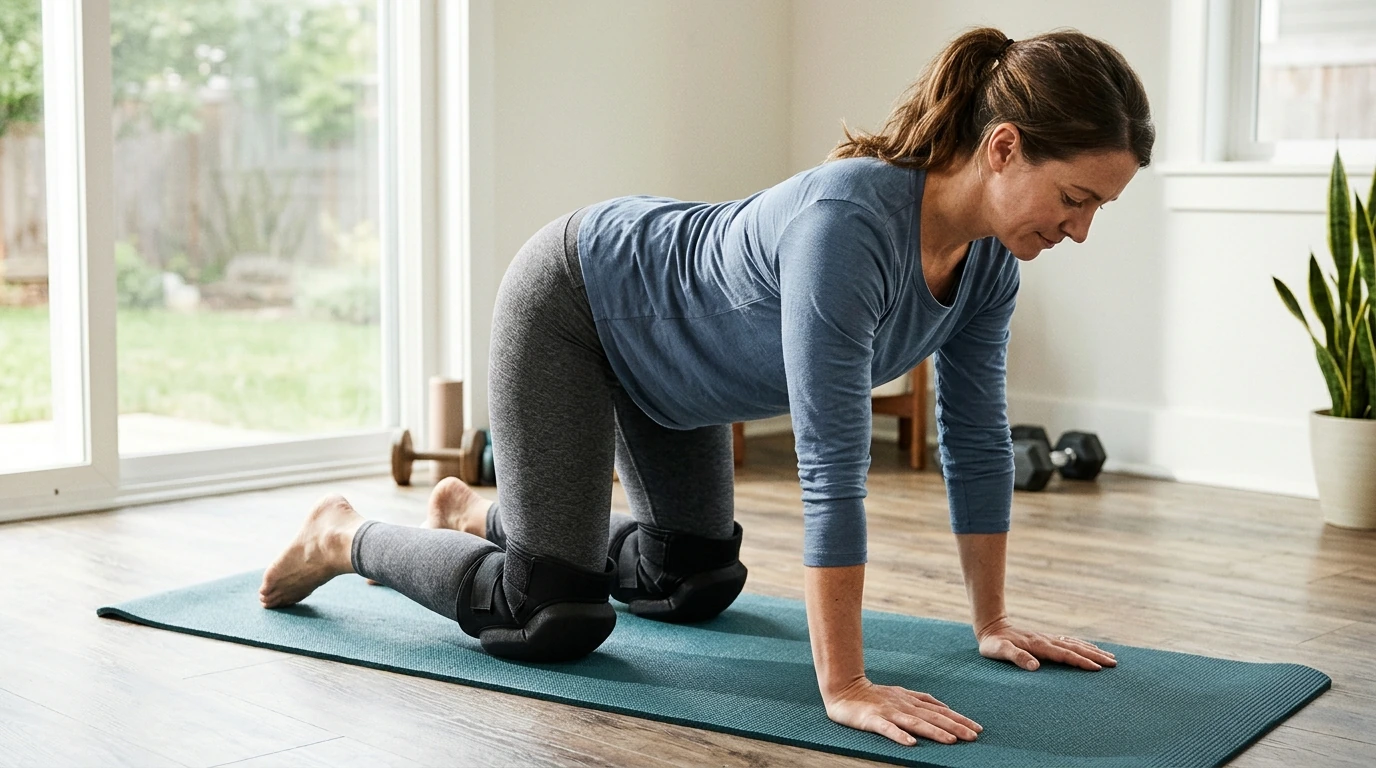
A little cushioning can make floor-based movement more comfortable, particularly when an exercise involves kneeling. Our thickened sponge knee pads offer a simple option to consider for suitable fitness activities, but the right choice depends on how you move, the surface beneath you, and the kind of protection your activity requires.
Our team recommends starting with comfort and fit rather than assuming one pad will work for every workout. Here’s how to make a practical choice and use cushioning responsibly.
A Little Cushioning for Your Routine
Our Thickened Sponge Knee Pads for Sports & Fitness feature thickened sponge cushioning for activities where your knees may come into contact with a surface. That cushioning may make contact more comfortable, whether you’re setting up for a floor exercise or spending a short period in a kneeling position.
The pads are listed at $6.51. Visit the product page for current availability, sizing information, and other details before ordering.
Comfort is useful, but it is not the same as injury prevention. A cushioned pad cannot guarantee that you won’t hurt your knee, and it cannot make an unsuitable exercise or surface safe on its own. Choose your equipment with the whole activity in mind.
Where Knee Pads May Be Useful
Knee pads are worth considering for suitable floor-based fitness exercises that involve kneeling or occasional contact between your knees and the floor. For example, you might appreciate cushioning during a gentle kneeling stretch or when transitioning into a hands-and-knees position.
How comfortable the pads feel will depend on the exercise, the floor, and your individual fit. A hard surface may feel different from a supportive exercise mat, while a movement that feels comfortable for a few moments may feel different when repeated. Try a gentle version of the movement first and adjust your setup if needed.
Not every sport has the same demands. Some activities involve impact, sliding, or contact with other players and may require sport-specific protective equipment. Consider the rules and recommendations for your activity rather than assuming these sponge pads are suitable for every sport.
Choosing Cushioning for Your Activity
| Consideration | What to Look For |
|---|---|
| Floor exercises | Comfortable cushioning where the knee contacts the surface |
| Movement | A fit that stays in place without restricting motion |
| Activity demands | Protection appropriate to the sport and its rules |
Finding a Comfortable Fit
Before ordering, review any available sizing information on the product page. A comfortable fit matters because cushioning can only help at the point of contact if it stays where you need it. Your pads should feel secure without pinching or restricting circulation.
When you try them on, move through a gentle range of motion. Bend and straighten your knees, then try a comfortable kneeling position on an appropriate surface. Notice whether the pads stay in place and whether you can move naturally.
If a pad slips or bunches, adjust it before continuing. If it still feels uncomfortable, or if you notice pinching or signs that circulation is restricted, remove it. There’s no benefit in wearing cushioning that makes movement uncomfortable.
Using Knee Pads Responsibly
Pair your pads with an exercise surface suited to what you’re doing. A stable, supportive mat may be more comfortable for floor work than a hard floor alone. Keep the area clear, move at a manageable pace, and use good technique rather than relying on padding to compensate for an awkward position.
Build your routine around movements that work for you. The CDC’s physical activity guidance offers a useful starting point for planning activity at an appropriate level. If you are learning a new exercise, consider asking a qualified instructor for help with technique.
Knee pads are not a substitute for sport-specific protective equipment or medical support. Stop an activity if it causes knee pain, and seek medical advice if pain is persistent or severe. The NHS guide to knee pain also outlines symptoms that warrant prompt attention.
Ready for Your Next Workout
For suitable floor-based activities, simple sponge cushioning may make kneeling or occasional floor contact more comfortable. Focus on a secure fit, an appropriate surface, and the demands of your movement. Check the knee pad product page for current details before making your choice.
If your plans also include an outdoor trip, you can explore our Ultimate Winter Camping Quilt separately. It serves a different purpose from workout cushioning, so choose each item for the activity you have in mind.
Before choosing, compare the product details with your daily routine, available space, care needs, and preferred setup. The strongest option is usually the one that fits the intended use clearly and remains simple to clean, store, and check before repeat use.
FAQ
What activities can these knee pads be used for?
They may be useful for suitable fitness activities involving kneeling or occasional floor contact. Suitability depends on the movement, surface, fit, and protective requirements of the activity.
How should knee pads fit?
They should feel secure and comfortable as you move, without pinching, slipping, bunching, or restricting circulation. Adjust or remove them if they cause discomfort.
Do knee pads prevent knee injuries?
No knee pad can guarantee injury prevention. Cushioning is not a substitute for appropriate protective equipment or medical advice.
Recommended for you


Plyometric Jump Box Set: Choose Your Training Height
Nov 18, 2026





Leave a comment