-
Shop
- Adidas
- Advanced Technologies
- Apple Accessories
- Armani
- Arts, Crafts & Hobbies
- Astrology & Tarot Products
- Bathroom
- Best-Sellers
- Black Friday Sale
- Calvin Klein
- Car Accessories
- Christmas Collection
- Dating & Social Skills
- Denim
- 7FOR
- AGOLDE
- Antony Morato
- Armani Exchange
- Boss
- Brunello Cucinelli
- Calvin Klein Jeans
- Costume National
- Desigual
- Diesel
- Dolce & Gabbana
- Dsquared²
- Ermanno Scervino
- Fendi
- Gianni Lupo
- Guess Jeans
- Ichi
- Just Cavalli
- Lee
- Levi's
- Liu Jo
- Morgan De Toi
- Mother Denim
- Only
- Pepe Jeans
- Pinko
- Replay
- Tommy Hilfiger Jeans
- Valentino
- Vero Moda
- Digital Resources
- Easter Products
- Education & Learning
- Fall 2025 Fashion Best-Sellers
- Family & Parenting
- Fashion
- Accessories
- Alexander McQueen
- Bags
- Bags & Wallets
- Balenciaga
- Belts
- Blazers
- Blouses & Shirts
- Bottega Veneta
- Bottoms
- Brunello Cucinelli
- Burberry
- Chanel
- Chloé
- Dior
- Dolce & Gabbana
- Dresses
- Etro
- Fendi
- Gucci
- Hats & Hair Accessories
- Hoodies & Sweatshirts
- Jacquemus
- Jewelry
- Jil Sander
- Jimmy Choo
- Kiton
- Laptop Sleeves
- Luggage
- Luggage Bags
- Men's Fashion
- Miu Miu
- Off-White
- Outerwear
- Passport Covers
- Phone Cases
- Prada
- Rick Owens
- Saint Laurent
- Scarves
- Shoes
- Skirts
- Socks
- Socks & Tights
- Sunglasses
- Sweaters & Cardigans
- The Row
- Tom Ford
- Tops & Shirts
- Trousers
- Tumblers
- Valentino
- Valentino Garavani
- Versace
- Vivienne Westwood
- Watches
- Fashion Accessories
- Father's Day
- Fitness & Yoga Guides
- Furniture
- Gadgets
- Gift Guide Collection
- Health & Beauty
- Health & Wellness
- Home & Garden
- Home Electronics
- Home Supplies
- Independence Day
- Kids & Babies
- Kitchen
- Kitchen Best-Sellers
- Lighting
- Luxury Brands Collection
- Mother’s Day
- Nike
- Patio, Lawn & Garden
- Personal Growth
- Pet Care
- Pets
- Pinterest Best-Sellers
- Samsung Accessories
- Sport & Outdoors
- Summer 2025 Fashion Collection
- Super Deals
- TikTok Growth & Monetization Mastery
- Tommy Hilfiger
- Travel
- Travel & Outdoors
- Wealth
- Wealth Building
- Budgeting & Saving
- Cryptocurrency Investing
- Debt Management
- Entrepreneurship & Business Growth
- Family Finance & Budgeting
- Financial Independence
- Financial Mindset & Psychology
- Financial Planning
- Frugal Living & Expense Hacks
- Goal Setting
- High-Income Skills
- Investing Basics
- Leadership
- Motivation
- Networking & Mentorship
- Passive Income Strategies
- Real Estate Investing
- Side Hustles
- Stock Market Investing
- YouTube Shorts Best-Sellers
- Popular
- Best deals
Rattan Cat Litter Box Furniture: Fit and Care Guide
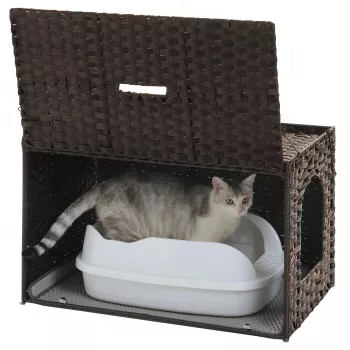
A litter box is an essential part of your cat’s day, but it doesn’t have to be the first thing you notice when you walk into a room. A rattan-style enclosure gives the litter area a more furniture-like appearance while creating a dedicated place for your cat’s routine.
The best setup works for both of you: it keeps the pan less visible, gives your cat enough room to use it comfortably, and leaves you able to reach it for cleaning. Before choosing a spot, take a few measurements and consider how your cat already uses the space.
A Litter Box Space That Fits Your Home
Our Rattan Cat Litter Box Furniture with Door is designed to make a litter area look more like part of the room. The enclosure keeps the pan out of direct view, while its door gives you access to the enclosed space for routine care.
Placement matters as much as appearance. Look for a quiet area your cat can reach easily, away from busy walkways and household traffic. A spot that feels calm can make the litter area more inviting, and keeping it accessible helps your cat get there whenever needed.
Consider your own routine, too. You’ll want to reach the door without moving other furniture each time you scoop. A convenient location makes it easier to keep up with daily maintenance, even when the litter box itself is tucked out of sight.
Check the Fit Before Choosing a Spot
Start by measuring your current litter pan, including its length, width, and height. Compare those measurements with the enclosure’s interior dimensions, and allow space beyond the pan itself. Your cat needs room to enter, turn around, and use the litter comfortably rather than squeeze into a tight setup.
If you have a large cat, pay particular attention to both the entry dimensions and the space around the pan. The enclosure is listed for large cats, but cats vary in size and preferred movement. A pan that fits inside is only part of the equation; your cat should also be able to move naturally around it.
Measure the proposed location as well. Leave enough clearance to open the door and remove or reach the pan for cleaning. Think about nearby walls, doors, and furniture that could make access awkward.
| What to check | Why it matters |
|---|---|
| Litter pan dimensions | Helps determine whether the existing pan will fit inside. |
| Cat’s size and movement | Helps assess whether the cat can enter and turn comfortably. |
| Door clearance | Leaves room to access the litter area for cleaning. |
| Location | A quiet, accessible spot can support consistent litter box use. |
Make the Enclosure Part of Your Cat’s Routine
Some cats investigate a new setup right away; others need more time. Let your cat approach and explore the enclosure without pressure. Keep the familiar pan and litter when possible so the change doesn’t introduce too many unfamiliar things at once.
Watch how your cat responds over the next several days. Comfortable entry, normal use, and an easy exit are useful signs that the setup is working. Avoid placing your cat inside or forcing an introduction, since that can make the new space feel less welcoming.
If your cat avoids the enclosure, return to an open litter box setup and reassess the location and available space. Persistent changes in litter box habits deserve a conversation with your veterinarian. The ASPCA’s guide to litter box problems offers additional context on possible causes and when to seek help.
Keep the Space Fresh and Accessible
A hidden litter box still needs the same attention as an open one. Scoop regularly, clean the pan as needed, and replace litter according to your usual care routine. Check inside the enclosure during cleaning so spills or stray litter don’t accumulate unnoticed.
It also helps to look at the floor around the entrance. Sweep up tracked litter and keep the route clear of bags, shoes, or other obstacles. If you rearrange the room, make sure your cat can still reach the enclosure easily and that you can still open the door.
For a household with multiple cats, plan for enough litter boxes rather than relying on one enclosed station. Cats may prefer separate, accessible locations. The Indoor Pet Initiative’s litter box guidance provides more information on arranging litter resources at home.
A Practical Addition to Your Cat’s Space
A furniture-style enclosure can make a litter area less visible without taking the focus off your cat’s comfort. The right choice leaves enough room for your cat to move, fits your existing pan, and lets you keep the space clean.
Explore our Rattan Cat Litter Box Furniture with Door, currently in stock for $95.51. Before ordering, confirm the fit for your cat and pan, then make sure your chosen location has room for door access.
While you’re browsing our in-stock essentials, you can also explore our 65W GaN USB C Fast Wall Charger with Quick Charge for everyday charging needs.
FAQ
Is this litter box enclosure suitable for a large cat?
It is listed for large cats, but check the enclosure and entry dimensions against your cat’s size and your existing pan. Your cat should have enough room to enter, turn, and use the litter comfortably.
How do I introduce my cat to a hidden litter box enclosure?
Let your cat explore gradually, and use a familiar pan and litter when possible. Observe your cat’s comfort and avoid forcing them inside.
How often should I clean the litter box inside the enclosure?
Scoop regularly and clean the pan as needed. An enclosure keeps the box less visible, but it does not replace routine litter box maintenance.
Recommended for you


How to Style a Burberry Double-Breasted Trench Coat
Oct 29, 2026






Leave a comment