-
Shop
- Adidas
- Advanced Technologies
- Apple Accessories
- Armani
- Arts, Crafts & Hobbies
- Astrology & Tarot Products
- Bathroom
- Best-Sellers
- Black Friday Sale
- Calvin Klein
- Car Accessories
- Christmas Collection
- Dating & Social Skills
- Denim
- 7FOR
- AGOLDE
- Antony Morato
- Armani Exchange
- Boss
- Brunello Cucinelli
- Calvin Klein Jeans
- Costume National
- Desigual
- Diesel
- Dolce & Gabbana
- Dsquared²
- Ermanno Scervino
- Fendi
- Gianni Lupo
- Guess Jeans
- Ichi
- Just Cavalli
- Lee
- Levi's
- Liu Jo
- Morgan De Toi
- Mother Denim
- Only
- Pepe Jeans
- Pinko
- Replay
- Tommy Hilfiger Jeans
- Valentino
- Vero Moda
- Digital Resources
- Easter Products
- Education & Learning
- Fall 2025 Fashion Best-Sellers
- Family & Parenting
- Fashion
- Accessories
- Alexander McQueen
- Bags
- Bags & Wallets
- Balenciaga
- Belts
- Blazers
- Blouses & Shirts
- Bottega Veneta
- Bottoms
- Brunello Cucinelli
- Burberry
- Chanel
- Chloé
- Dior
- Dolce & Gabbana
- Dresses
- Etro
- Fendi
- Gucci
- Hats & Hair Accessories
- Hoodies & Sweatshirts
- Jacquemus
- Jewelry
- Jil Sander
- Jimmy Choo
- Kiton
- Laptop Sleeves
- Luggage
- Luggage Bags
- Men's Fashion
- Miu Miu
- Off-White
- Outerwear
- Passport Covers
- Phone Cases
- Prada
- Rick Owens
- Saint Laurent
- Scarves
- Shoes
- Skirts
- Socks
- Socks & Tights
- Sunglasses
- Sweaters & Cardigans
- The Row
- Tom Ford
- Tops & Shirts
- Trousers
- Tumblers
- Valentino
- Valentino Garavani
- Versace
- Vivienne Westwood
- Watches
- Fashion Accessories
- Father's Day
- Fitness & Yoga Guides
- Furniture
- Gadgets
- Gift Guide Collection
- Health & Beauty
- Health & Wellness
- Home & Garden
- Home Electronics
- Home Supplies
- Independence Day
- Kids & Babies
- Kitchen
- Kitchen Best-Sellers
- Lighting
- Luxury Brands Collection
- Mother’s Day
- Nike
- Patio, Lawn & Garden
- Personal Growth
- Pet Care
- Pets
- Pinterest Best-Sellers
- Samsung Accessories
- Sport & Outdoors
- Summer 2025 Fashion Collection
- Super Deals
- TikTok Growth & Monetization Mastery
- Tommy Hilfiger
- Travel
- Travel & Outdoors
- Wealth
- Wealth Building
- Budgeting & Saving
- Cryptocurrency Investing
- Debt Management
- Entrepreneurship & Business Growth
- Family Finance & Budgeting
- Financial Independence
- Financial Mindset & Psychology
- Financial Planning
- Frugal Living & Expense Hacks
- Goal Setting
- High-Income Skills
- Investing Basics
- Leadership
- Motivation
- Networking & Mentorship
- Passive Income Strategies
- Real Estate Investing
- Side Hustles
- Stock Market Investing
- YouTube Shorts Best-Sellers
- Popular
- Best deals
Comfort Gel Bike Seat Cover: How to Find the Right Fit
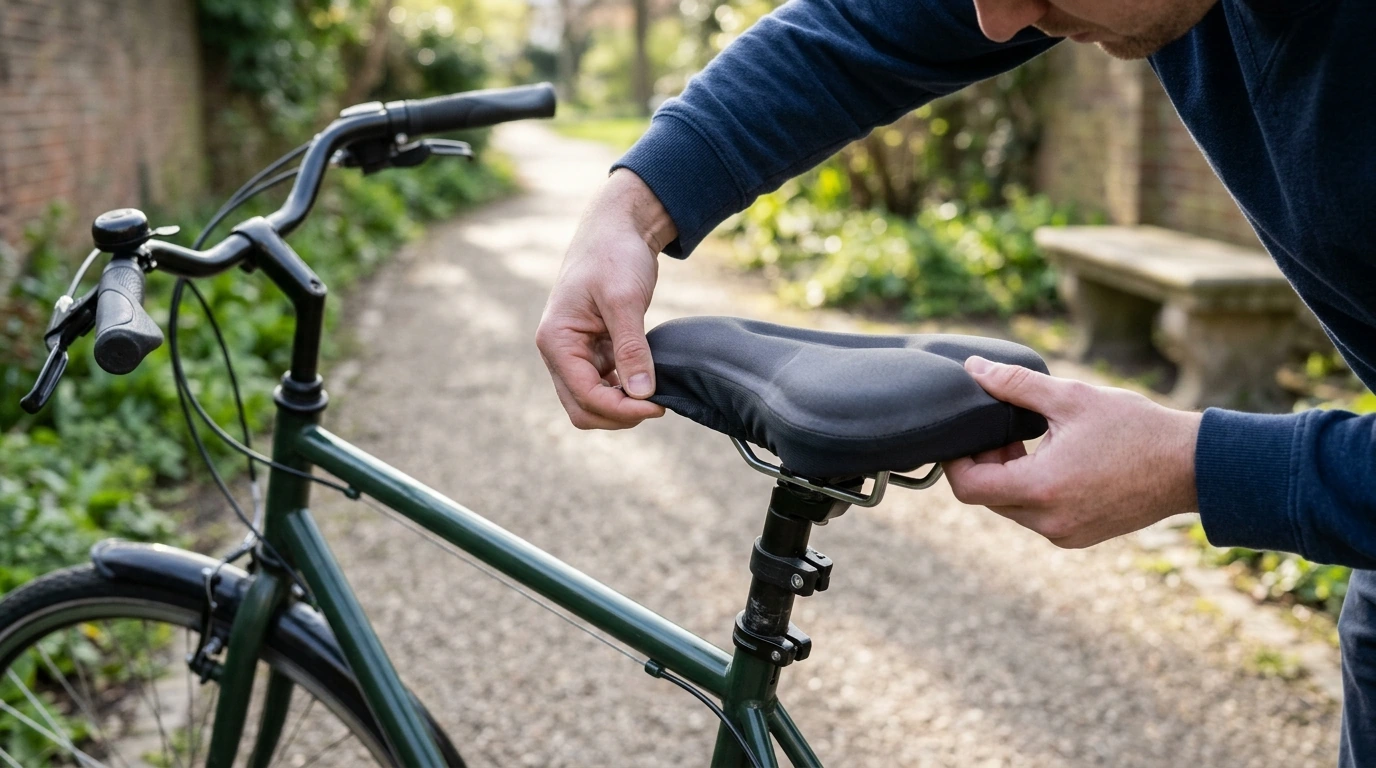
A softer saddle can make a casual ride more inviting, especially when the seat you already own feels firm. Our Comfort Gel Bike Seat Cover – Memory Foam & Shock Absorbing Fit offers an added layer of cushioning without requiring you to replace your saddle. Whether it feels better on your bike depends on more than padding, though. The cover needs to suit your saddle’s shape, stay put while you pedal, and work with a comfortable bike setup. For more guidance, see Legacy of Trauma: The Impact of American Indian ….
What a cushioned seat cover can—and cannot—do
Gel and memory foam add a softer contact point between you and a firm saddle. That may make pressure feel less noticeable on a relaxed ride around the neighborhood or a trip along a familiar path. If you generally like your saddle’s shape but wish it had a little more cushioning, a cover is a practical change to try before shopping for a new seat. For further reading, see Wide Memory Foam Seat With Dual Shock-Absorbing Balls ….
Padding has limits. A cover cannot make a saddle that is too narrow, too wide, or otherwise poorly shaped for you into the right saddle. It also cannot correct a seat set too high, too low, or at an uncomfortable angle. Those factors affect where your weight rests and how your body moves as you pedal. For a broader look at saddle selection, see REI’s guide to choosing a bike saddle.
We recommend treating a cover as one part of your setup rather than a fix for every source of discomfort. Start with the saddle you have, identify what feels uncomfortable, and make one change at a time. That way, you can tell whether added cushioning actually helps.
Check the fit before choosing a cover
Before ordering, measure your saddle from nose to back and across its widest point. Compare both measurements with the cover’s fit information. Length and width are a useful starting point, but they do not tell the whole story: two saddles with similar dimensions can have very different outlines.
Look closely at the nose and the widest section. A suitable cover should follow the saddle without excess material gathering at the front or cushioning that fails to reach the areas where you sit. If it is stretched too tightly, it may not sit as intended; if it is loose, it may move under you. We would rather have you take a minute to compare shapes than discover a mismatch partway through a ride.
Seat cover fit checklist
| Check | What to look for | Why it matters |
|---|---|---|
| Saddle dimensions | Compare saddle length and width with the cover’s listed fit | Helps avoid a cover that is too small or loose |
| Saddle shape | Check the nose and widest section | Reduces bunching and uneven cushioning |
| Installed stability | Test for movement before riding | A shifting cover can become distracting |
| Riding position | Sit and pedal briefly after installation | Reveals pressure or rubbing you may not notice at rest |
Once the cover is installed, make sure it is seated evenly and secured according to its fastening design. With the bike stationary, press gently at the nose and sides to see whether it slides or twists. Then sit on the bike and turn the pedals briefly in a safe place. A cover can seem stable when you are standing beside the bike yet shift when you change position.
Find the feel that works for your rides
Test a new cover on a short route you know well rather than making its first outing a long trip. A familiar ride makes it easier to notice what has changed. Pay attention after several minutes of pedaling, not just when you first sit down. Does the cushioning continue to feel supportive? Are you moving around to escape a pressure point? Does the cover stay centered when you stand and sit again?
More padding is not automatically more comfortable. Your riding position, how much you shift on the saddle, and how long you ride all influence the result. A softer surface might feel welcome on an easy spin but less helpful if it introduces rubbing or makes you feel less steady. You are looking for a comfortable, predictable feel throughout the ride—not simply the plushest first impression.
If you are getting ready for an outing, handle off-bike essentials separately from saddle comfort. For example, our 66W 5A Fast Charging Spring Retractable USB Type C Cable – For Car & On-the-Go is an option for charging a compatible device before you leave. It will not change how your saddle feels, so assess the cover on its own merits.
Make small adjustments if discomfort remains
If pressure persists, check your saddle height and angle rather than immediately adding more padding. Even a small adjustment can change where you bear weight. Make changes gradually, note what you changed, and try another short ride. If you are unsure how to set up your bike, a knowledgeable bike shop can help you assess the saddle and riding position together.
FAQ
Will a gel bike seat cover fit any saddle?
No. Saddle sizes and shapes differ, so compare your saddle’s length, width, and outline with the cover’s fit information before buying.
Can a seat cover fix an uncomfortable bike saddle?
It may add cushioning, but it cannot correct every cause of discomfort. Saddle shape, position, and bike fit also matter.
How should I test a new bike seat cover?
Install it securely, confirm it does not shift, and try it on a short, familiar ride before using it for a longer trip.
Recommended for you


10pcs Silicone Baby Building Blocks: Easy Play Ideas
Oct 26, 2026





Leave a comment